Design and Access StatementsFrom £245
How much does a design and access statement cost in London?
A design and access statement for a London application costs our fixed £245, with no VAT charged, and many householder applications do not need one by law. We check that first, because the least expensive statement is the one the council does not require, and then write the one that is.
The short answer: a modest fee, and sometimes no fee at all
Our design and access statement costs £245. We check whether your application needs a statement at all, describe the site and its surroundings with photographs, set out the design principles and the concepts behind the scheme in plain English, explain how it responds to the street and the neighbours, and deal with how people get to and into the building, including step-free routes.
The statement is written from your drawings, as a PDF to submit with the planning application. If your application does not need one, we say so and do not write one.
- Check it is needed
We test your application against the requirement before writing anything.
- Describe the site
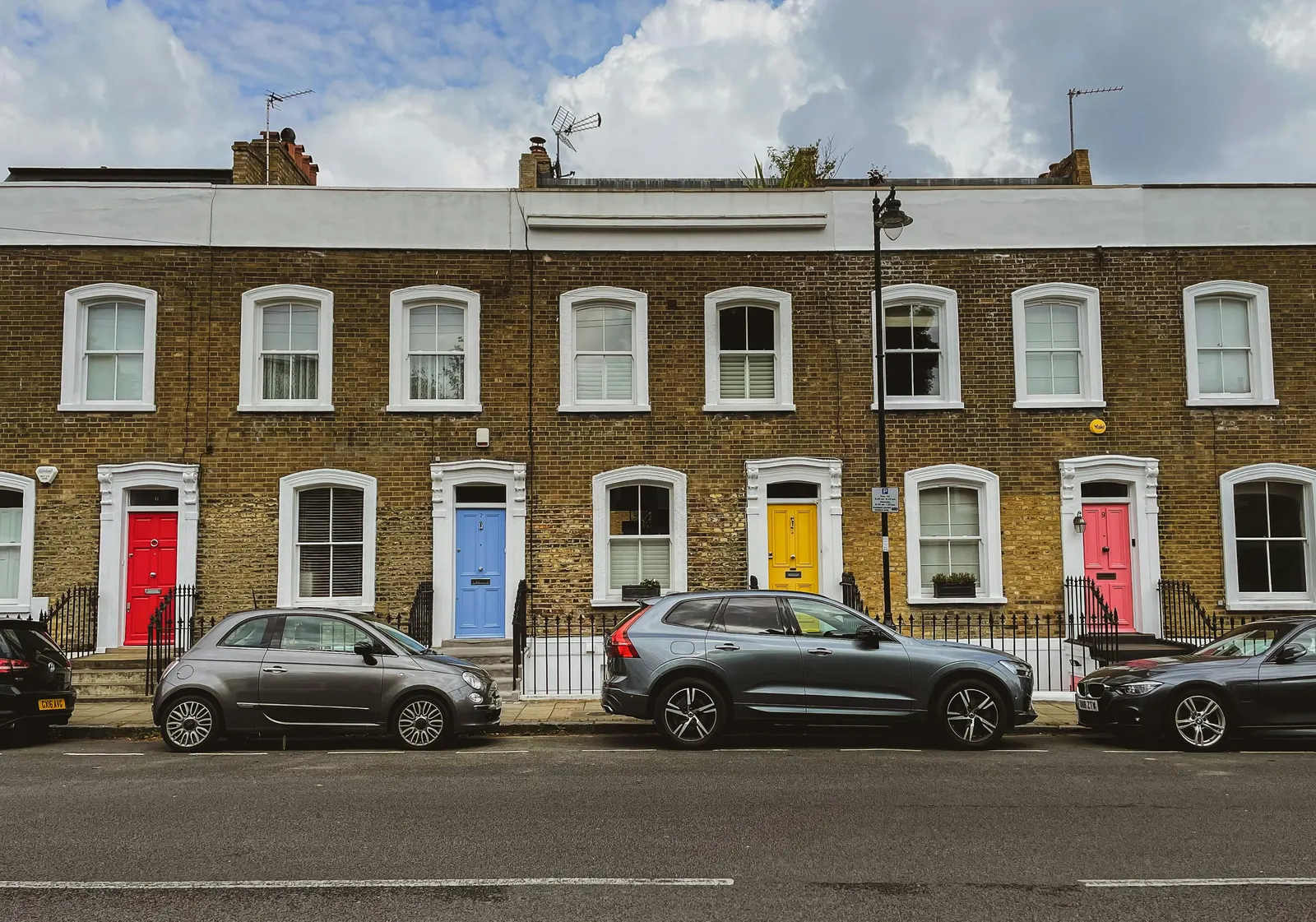
The street, the neighbours and the building are described, with photographs.
- Explain the design
The principles and concepts behind the scheme are set out in plain English.
- Deal with access
How people reach and enter the building, including step-free routes, is explained.
When the law requires one
Article 9 of the Development Management Procedure Order sets the rule. A statement is needed for an application for major development, and where any part of the development is in a designated area and consists of one or more dwellinghouses, or where the floor space created is 100 square metres or more. A designated area means a conservation area or a World Heritage Site.
That leaves most householder extensions outside the rule unless they are in a conservation area and meet one of the tests. The council can still ask for one on its local list, and the post on heritage statements explains the other document that conservation area schemes often need.
When it does not apply
The requirement does not apply to an application to develop land without complying with conditions under section 73, or to a material change in the use of land or buildings, or to waste or engineering operations (article 9(4)). So an amendment to a permission, covered in our post on planning amendments, does not need a new statement by law.
A change of use such as a house split into flats is likewise outside the rule, though the council may still want to understand the design. We check the council's local list for your borough, because validation requirements differ.
What a statement must contain
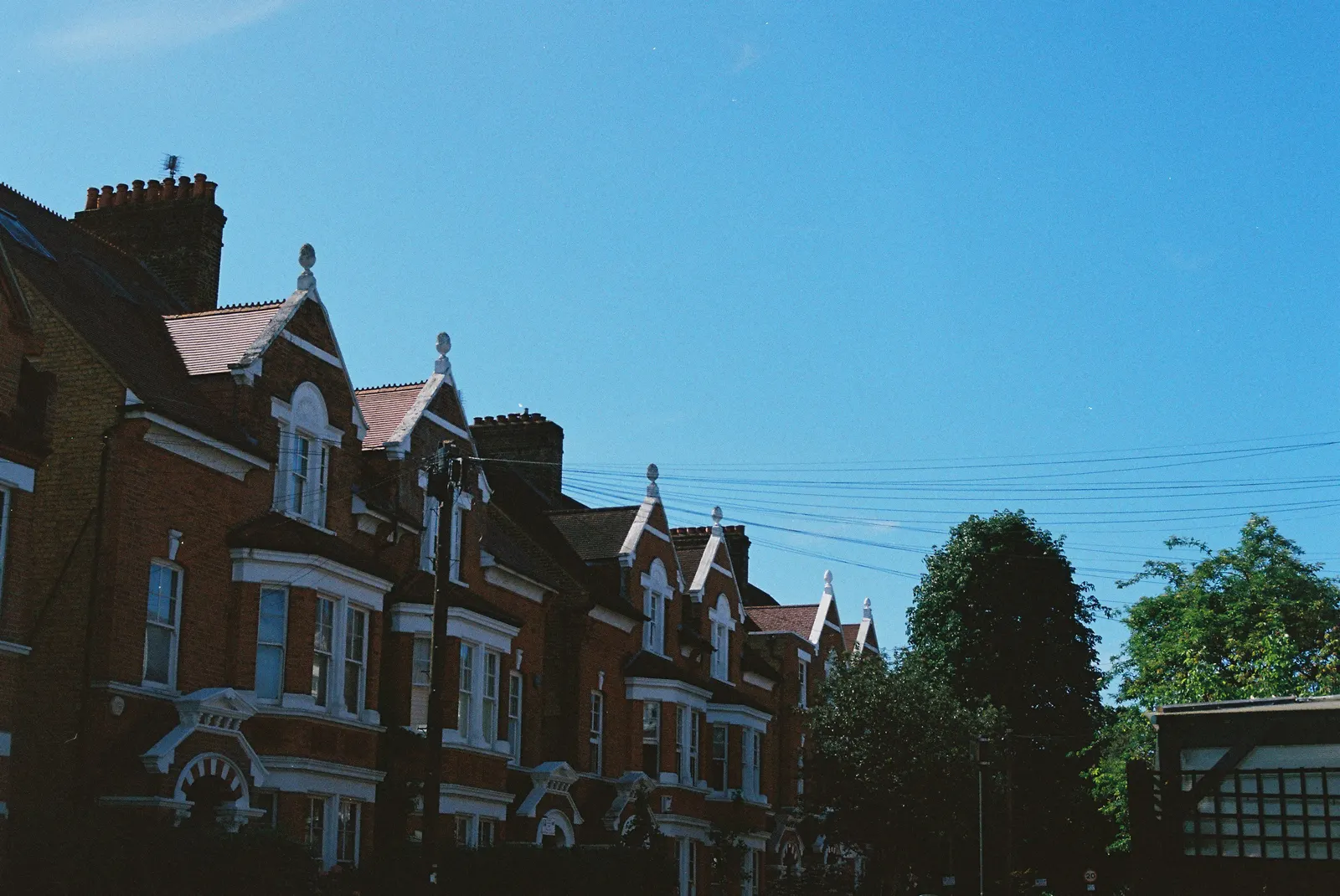
The statement must explain the design principles and concepts that have been applied to the development, how the site's context was appraised, the approach to access and any consultation. It must also say how the scheme responds to relevant local plan policy. Those are the headings we write to.
It is not a place for sales language. A short statement that describes the street accurately and explains each design choice is more use to an officer than a long one that praises the scheme. We aim for the shorter.
Where it sits in a project
A statement accompanies the drawings in a planning application. If you are commissioning planning drawings from us, such as rear extension drawings or double storey plans, tell us at the start and we check whether the application needs one.
Our design and access statement page shows the service. If your site is listed, the statement and a heritage statement may overlap.
Sources
Every figure in this article, where it comes from and a link to the original.
- major development: DMPO 2015 art 9(1)(a): applies to an application for planning permission which is for (source wording: "a development which is major development"). www.legislation.gov.uk
- 100 square metres or more: DMPO 2015 art 9(1)(b): in a designated area, development consisting of one or more dwellinghouses, or where (source wording: "the floor space created by the development is 100 square metres or more"). www.legislation.gov.uk
- a conservation area or a World Heritage Site: DMPO 2015 art 9(5): "designated area" means (source wording: "a conservation area; or a property appearing on the World Heritage List"). www.legislation.gov.uk
- design principles and concepts: DMPO 2015 art 9(2)-(3): the statement must be about (source wording: "the design principles and concepts that have been applied to the development"). www.legislation.gov.uk
- a material change in the use of land or buildings: DMPO 2015 art 9(4): paragraph (2) does not apply to an application (source wording: "to develop land without compliance with conditions previously attached, made pursuant to section 73" or "for a material change in use"). www.legislation.gov.uk
Questions people ask
Do I need one for a householder extension?
Do I pay VAT on your fee?
How long is a statement?
Is it the same as a heritage statement?
Will it guarantee permission?
Photographs: Daniil Korbut (Unsplash License); T (Unsplash License).
Design and Access Statements: a fixed fee from £245
Read more on the design and access statements service page, or send your address below and we reply within one working day.
Design and Access Statements
from £245
Every price is the full fixed fee you pay. No VAT is charged. Council application fees are paid to the council separately.
What you get
- A check of whether your application needs a statement at all
- A description of the site and its surroundings, with photographs
- The design principles and concepts behind the scheme, in plain English
- How the design responds to its context, the street and the neighbours
- A PDF written to be submitted with the planning application