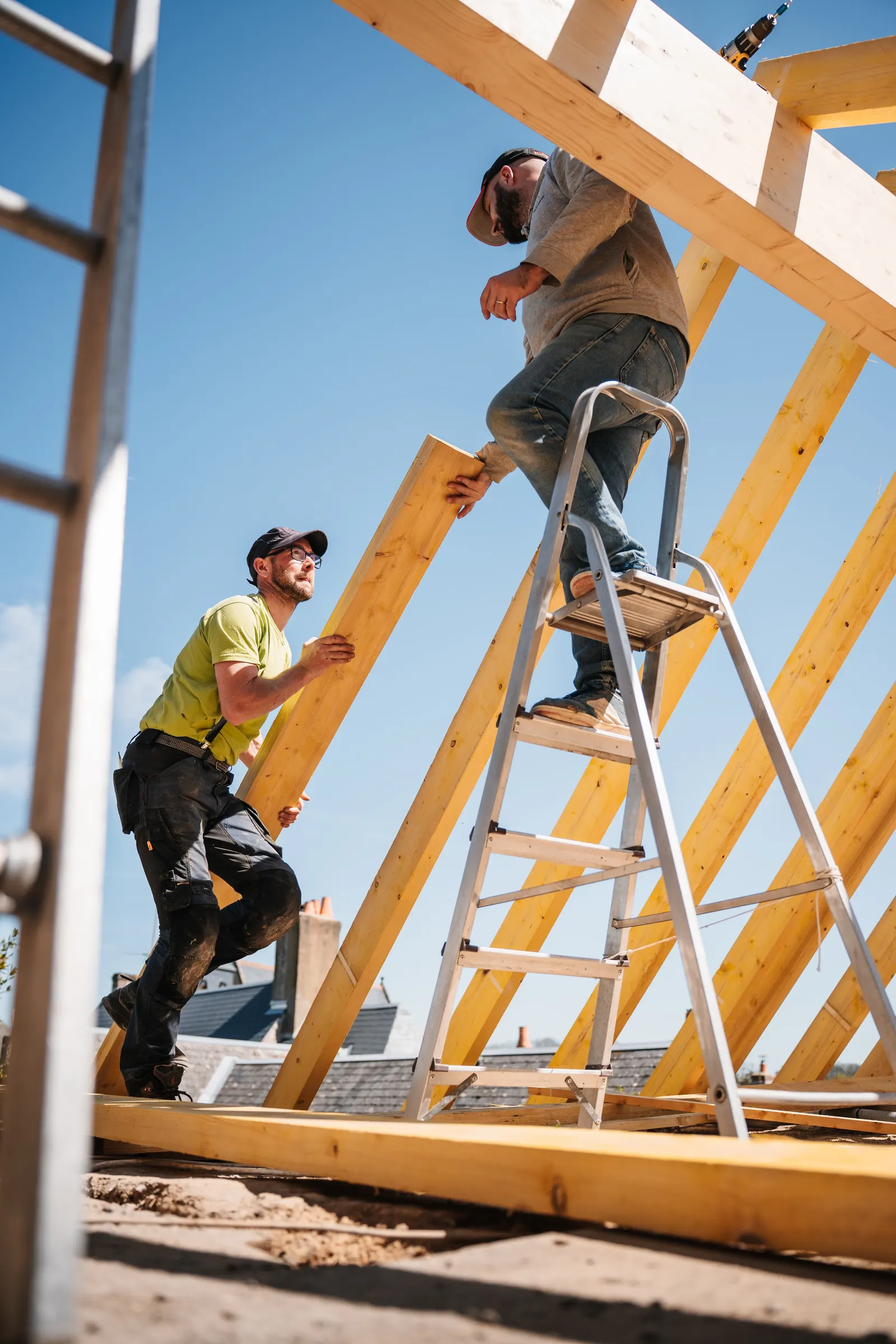
Tender package drawings so London builders price the same job
Three builders, three quotes, three different jobs: one includes the flooring, one assumes the old boiler stays, one leaves the steelwork out. A tender package fixes that by giving every builder the same drawings, specification and schedule to price. We prepare it from your approved drawings for a fixed £995.
Fixed fee from £995 · all prices
Prefer to talk it through?
Why quotes from three builders rarely match
A builder prices what is on the page and what he can see. If the page is a planning drawing, with no finishes, no structural detail and no specification, each builder fills the blanks with his own assumptions. One prices a standard kitchen supply, another a provisional sum, a third leaves it to you. The totals look comparable and are not.
Planning and building regulations drawings answer the council's questions. They are not written to be priced. A tender package adds what a builder needs: the specification, the schedule and the detail sheets that turn the permission drawings into a job that can be quoted exactly.
Tender Package Drawings
from £995
Every price is the full fixed fee you pay. No VAT is charged. Council application fees are paid to the council separately.
What you get
- A coordinated drawing set: plans, sections, elevations and key construction details
- A specification that names materials, finishes and standards for each trade
- A trade-by-trade schedule of works the builders price line by line
- A list of what is excluded, provisional or left to you to choose
- A tender return form so quotes arrive in the same layout
- A short guide to comparing the returns and the questions to ask each builder
- Start from approved drawings
Planning permission and building regulations drawings give the base set; we check they agree with each other.
- Specify
We write down the brick, the glazing, the flooring, the electrics: every choice a builder would otherwise guess.
- Schedule the work
One list of work, trade by trade, with a column for each builder's price.
- Send to builders
You invite the builders; they price the same package and ask their questions in writing.
- Compare the returns
Quotes side by side, with gaps and exclusions flagged before you sign.
What goes in the pack
The drawings come first: floor plans, sections and elevations coordinated with the structural engineer's calculations, with the construction details that matter on a London house, such as the junction of a new flat roof with an old brick wall, the steel beam bearings and the damp-proof course lines. Where the engineer's drawings and ours disagree, we reconcile them before they reach a builder.
The specification then says what everything is made of, with standards and manufacturers named where it matters, and the schedule breaks the job into trades with a line for each item. We also list what is not in the price: your choice of kitchen units, lighting, decoration, and anything provisional. That list is where most disputes later begin, so it comes early.
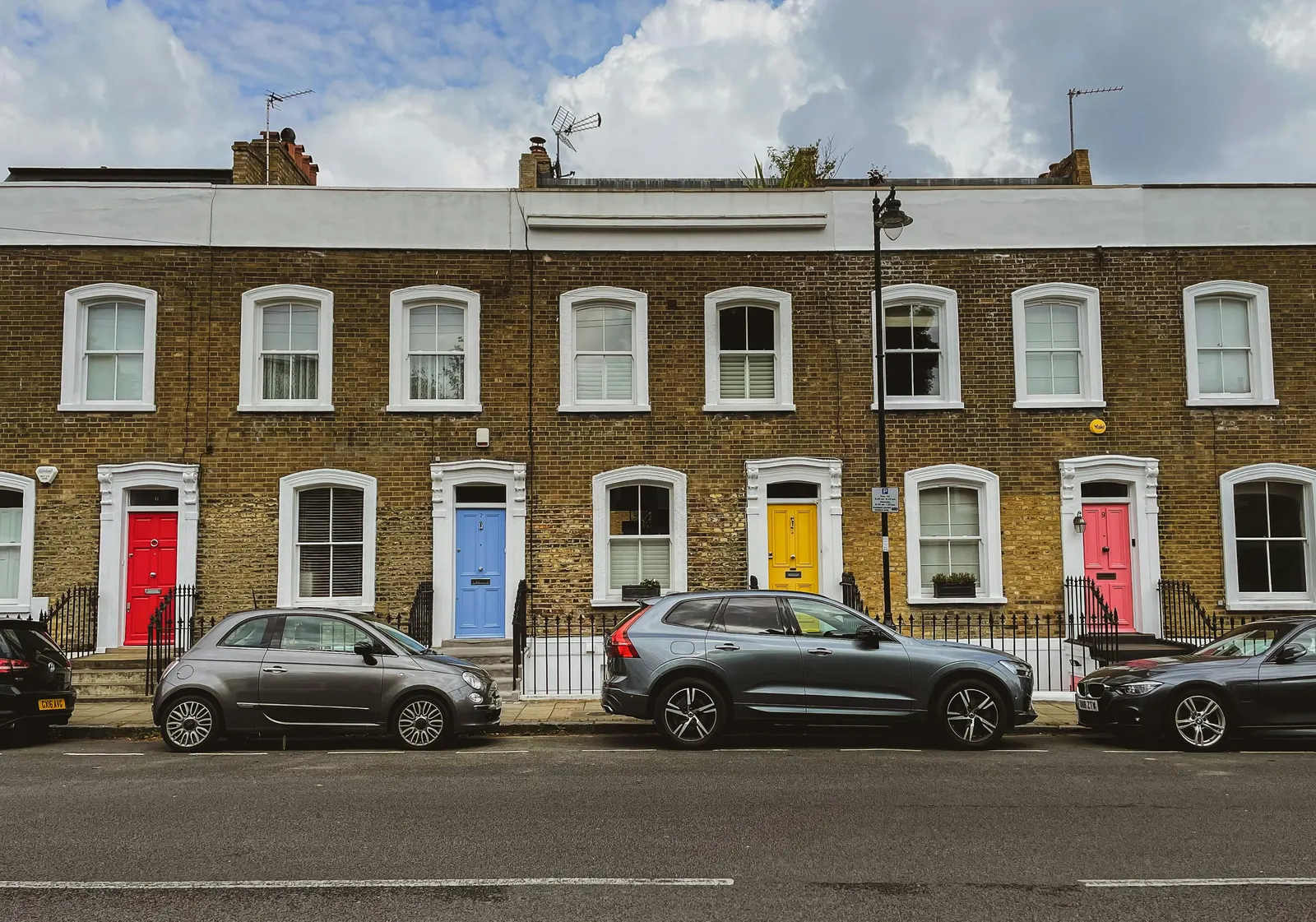
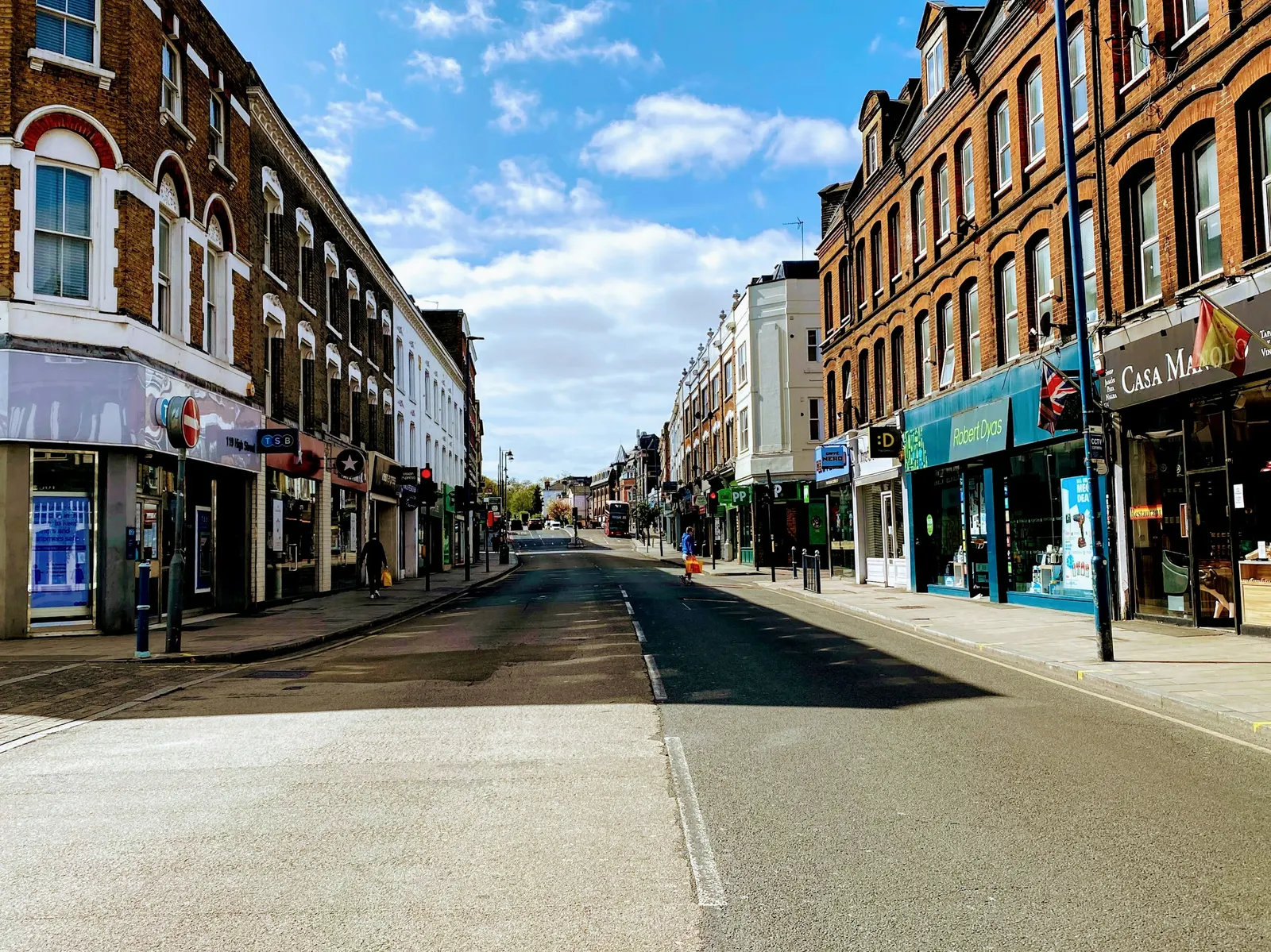
The Consumer Rights Act 2015 requires a trader to perform a service with reasonable care and skill.
Who carries the safety duties on a home project
A tender is also the moment to settle who looks after site safety. The Health and Safety Executive's guidance on the Construction (Design and Management) Regulations 2015 says that a domestic client is any individual who has construction work done on their home, not as part of a business, and that the client duties normally pass to the contractor on a single contractor project, or to the principal contractor where there is more than one.
The regulation itself, regulation 7 of CDM 2015, also allows those duties to be carried by the principal designer where there is a written agreement. That is a separate appointment, not part of this pack, but the tender documents are the place to state who the principal contractor will be and what the builder is expected to provide, so we include it in the preliminaries.
Party walls and notice periods in the programme
Builders price duration as well as cost, and some of the time is not theirs to control. Where your work touches a wall you share with a neighbour, the Party Wall etc. Act 1996 requires a building owner to serve a party structure notice at least two months before the work begins. That notice ceases to have effect if the work has not begun within twelve months of it being served.
We put the notice dates in the schedule's programme notes so every builder starts from the same assumption. If your project needs notices, our party wall notices and drawings service prepares them, and the programme in the tender is set around the dates.

Choosing between the returns
When the returns arrive, put them side by side and look for the differences, not the totals. A price far below the others usually has something missing, such as an exclusion or an unrealistic provisional sum. A price far above may have included an item the others left out. The tender return form makes both visible because every builder fills in the same lines.
The Consumer Rights Act 2015 requires a trader to perform a service with reasonable care and skill. A clear specification gives you something to measure that against. It is much easier to ask a builder to match a written specification than to argue over what was meant by 'good finish'.
Fee, and what it does not include
The fee is a fixed £995, the total you pay, with no VAT charged. We prepare the package from drawings we already hold or from approved drawings you send us. It does not include running the building project, signing off a builder's work or advising on a dispute. Those are different services, and we say where each starts.
If your drawings are still at planning stage, our house extension drawings and building regulations drawings come first. Send us the address and the permission number, and we will tell you whether the set is ready to go out to tender.
Sources
Every figure on this page, where it comes from and a link to the original.
| Figure | Source | Link |
|---|---|---|
| domestic client | HSE, CDM 2015 domestic clients: (source wording: "A domestic client is any individual who has construction work carried out on their home, or the home of a family member, that is not done as part of any business") | www.hse.gov.uk |
| principal contractor | HSE, CDM 2015 domestic clients: client duties normally pass to the contractor on a single contractor project, or (source wording: "the principal contractor, for projects with more than one contractor") | www.hse.gov.uk |
| written agreement | Construction (Design and Management) Regulations 2015 reg 7(1)(c): for a domestic client, the duties must be carried out by the principal designer (source wording: "where there is a written agreement") | www.legislation.gov.uk |
| at least two months | Party Wall etc. Act 1996 s.3(2)(a): a party structure notice shall (source wording: "be served at least two months before the date on which the proposed work will begin") | www.legislation.gov.uk |
| twelve months | Party Wall etc. Act 1996 s.3(2)(b): a party structure notice shall cease to have effect if the work (source wording: "has not begun within the period of twelve months") | www.legislation.gov.uk |
| reasonable care and skill | Consumer Rights Act 2015 s.49(1): (source wording: "the trader must perform the service with reasonable care and skill") | www.legislation.gov.uk |