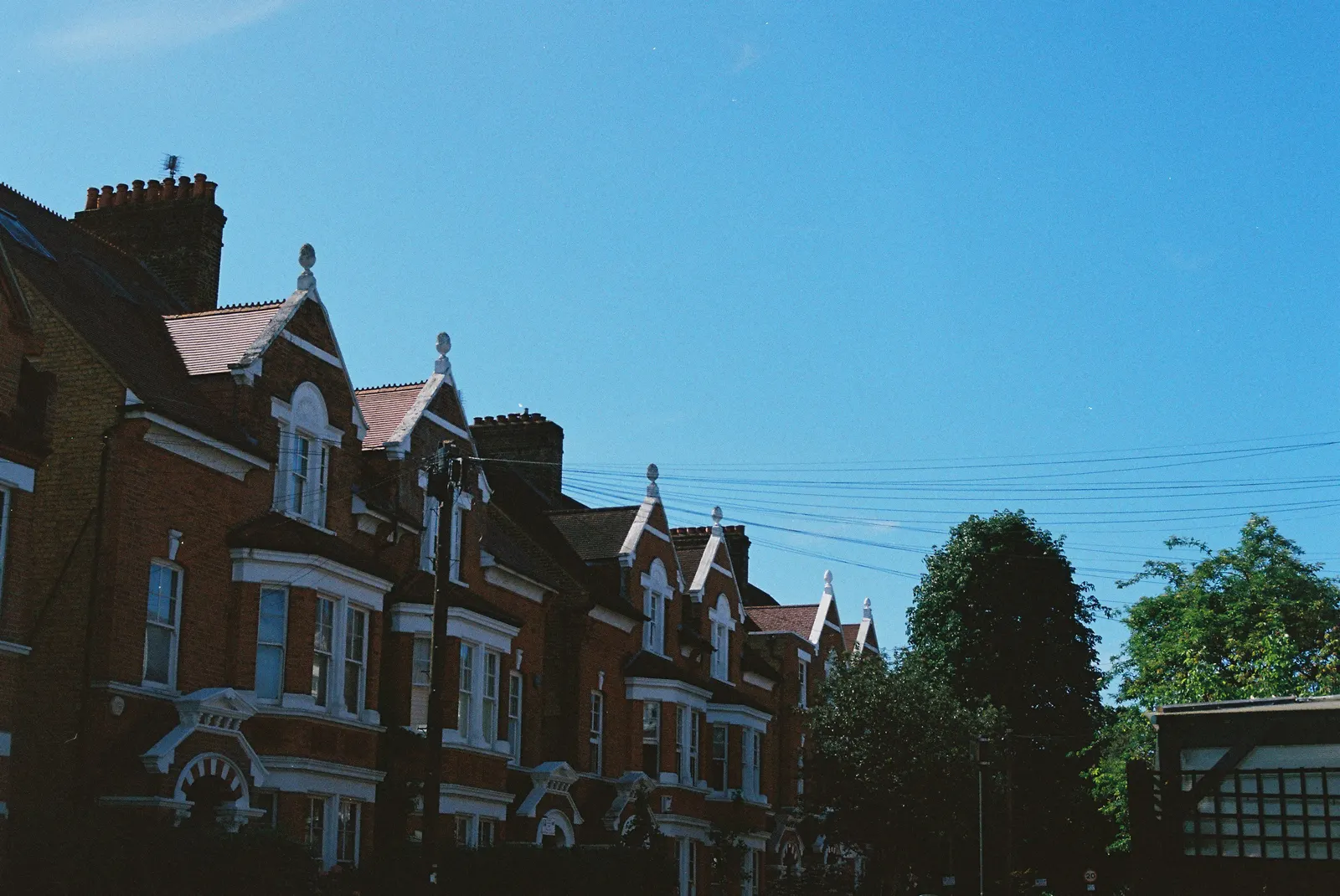
Heritage statements for listed buildings and conservation areas in London
Your council will not decide an application on a listed building or in a conservation area until it can see that you understand what is special about the place and what your scheme does to it. A heritage statement is that explanation in writing. We prepare it, with the history, the significance, the impact and the justification, for a fixed £595.
Fixed fee from £595 · all prices
Prefer to talk it through?
What a heritage statement is for
National policy asks one thing of an applicant whose scheme affects a heritage asset: describe the significance of what is affected. The August 2026 National Planning Policy Framework puts it as an assessment of the significance of the assets, including any contribution made by their setting, and of the likely effect of the proposal on that significance. Government guidance puts the same duty on the applicant in plain terms: describe the significance, including the contribution made by setting, in the application.
A heritage statement is where that assessment lives. It is not a design brochure and not a plea. It is a document a conservation officer can read and cross-check against the drawings, and it is usually one of the items on a council's list of what must come with an application.
Heritage Statements
from £595
Every price is the full fixed fee you pay. No VAT is charged. Council application fees are paid to the council separately.
What you get
- A check of the list entry, conservation area appraisal and local designations
- A history of the building and its street, with the sources named
- A statement of what is significant, including the contribution of its setting
- An assessment of what your proposal does to that significance
- The justification: why the scheme is acceptable, or how it was amended to be
- Site photographs and a PDF written to be submitted with your application
- Find what is protected
List entry, conservation area boundary and appraisal, local list and any Article 4 direction for the address.
- Research the place
Maps, records and the local historic environment record, plus a look at the building itself.
- Describe significance
What matters about the building, in proportion to its importance, and what its setting adds.
- Test your scheme
A fair assessment of the proposal against that significance, naming any harm and how it is reduced.
- Write and issue
A clear statement to submit, with the sources listed and drawings cross-referenced.
Does your application need one?
If the building is listed, yes. If it is inside a conservation area, or next to a listed building or in its setting, councils routinely ask for one. Councils also keep local lists of buildings that matter to the area. Where a site may hold archaeological interest, the policy asks for an appropriate desk-based assessment as well, and we tell you early if yours is such a site.
Check before you pay anyone. Your council's validation list says when a heritage statement is required, and for a small change to a house in a conservation area, a short paragraph in a design and access statement is sometimes enough. The guidance says as much: where both are needed, applicants can avoid unnecessary duplication by folding the heritage assessment into the design and access statement. We tell you which your council expects, and we do not sell you the longer document if the shorter one will do.
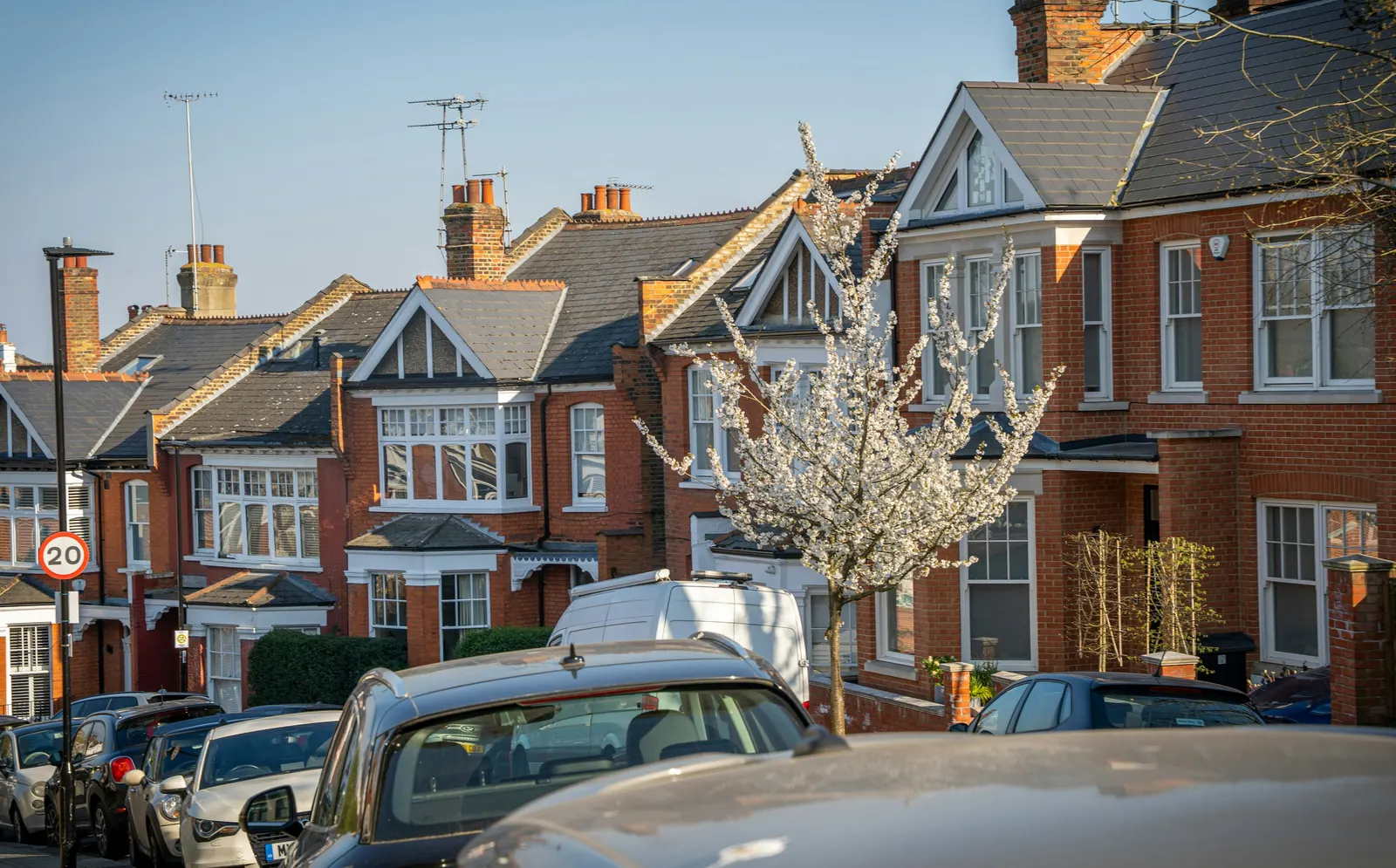
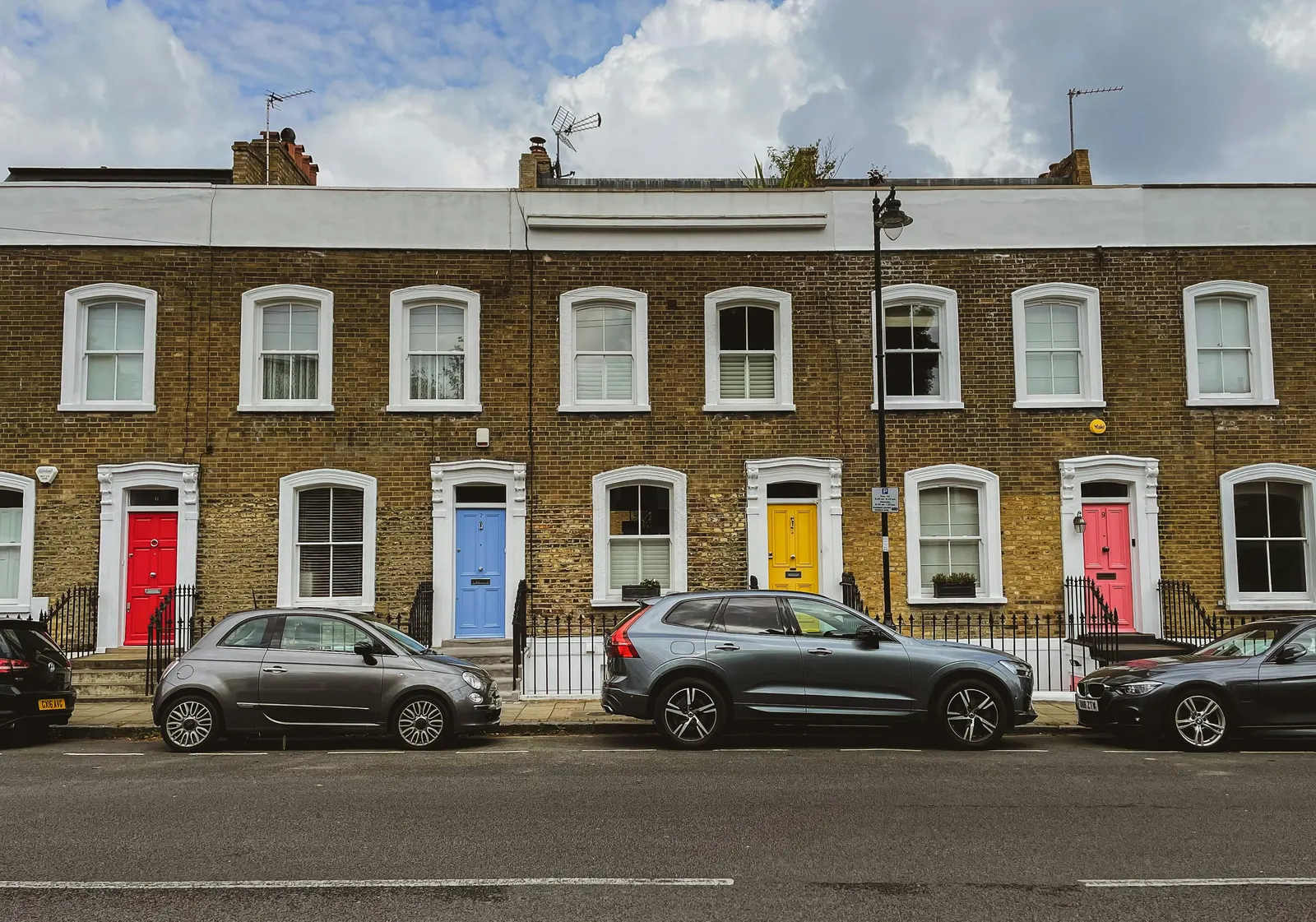
For a listed building, section 66 of the 1990 Act requires special regard to the desirability of preserving the building or its setting.
Proportionate means as long as it needs to be
The policy test is deliberately proportionate. The assessment should be as detailed as the asset's importance demands and no more than is necessary to understand the effect of the proposal. A rear dormer on a terrace in a conservation area does not need a history of the borough. A change to a Grade I listed house needs far more.
That is how we write them. We read the list entry or conservation area appraisal first, then the historic environment record the policy says to refer to, then the building. Each statement is written about the house in front of us, with its own history and its own street. It names the sources and the date it was written, so the officer can see how it was reached.
Where the council puts the weight
Two statutory duties sit behind the policy. For a listed building, section 66 of the 1990 Act requires special regard to the desirability of preserving the building or its setting. For a conservation area, section 72 requires special attention to preserving or enhancing the character or appearance of the area.
The framework adds that substantial weight should be given to the conservation of a designated asset, and that where a scheme causes harm, the harm is weighed against public benefits. For conservation areas the policy asks development to retain and conserve buildings and features that make a positive contribution to the character or appearance of the area. Our statements are written around those tests, so the officer finds the answer to each one under its own heading.

Harm, honestly stated
Many applicants fear that admitting any harm sinks the application. It does the opposite. A statement that claims a new window opening has no effect at all invites the officer to disbelieve the rest of it. The framework itself sorts effects into positive, none, or harm, and asks that the degree of harm be identified.
So we say what the scheme does. If a rear extension replaces a later lean-to and leaves the original rear wall visible, the statement says that, and why it matters. If a change does harm the significance, we say how much and then set out the justification or the changes that reduce it. A credible account of a small harm is more persuasive than silence, and it helps if the application ever goes to appeal.
What it costs and how it fits with drawings
A heritage statement is a fixed £595, the total you pay, with no VAT charged. There is no application fee for the document itself, because it goes in with your planning or listed building application. If the work needs the survey, our listed building consent drawings cover it, with the measured visit included.
The statement is only as good as the drawings it refers to, which is why we like to write it alongside them, from the same survey. Send us the address, tell us what you want to change and attach the list entry if you have it. We will say what your council is likely to expect, and what the statement should cover.
Sources
Every figure on this page, where it comes from and a link to the original.
| Figure | Source | Link |
|---|---|---|
| contribution made by their setting | NPPF (August 2026) policy HE5(1): proposals affecting heritage assets should be accompanied by an assessment of the significance of the assets affected (source wording: "including any contribution made by their setting") | www.gov.uk |
| no more than is necessary | NPPF (August 2026) policy HE5(1): the level of detail should be proportionate and (source wording: "no more than is necessary to understand the potential effect") | www.gov.uk |
| historic environment record | NPPF (August 2026) policy HE5(1): (source wording: "The relevant historic environment record should be referred to") | www.gov.uk |
| desk-based assessment | NPPF (August 2026) policy HE5(5): where a proposal may involve a heritage asset with archaeological interest (source wording: "an appropriate desk-based assessment should be undertaken") | www.gov.uk |
| describe the significance | Planning Practice Guidance, Historic environment, para 009: applicants are expected to (source wording: "describe in their application the significance of any heritage assets affected, including any contribution made by their setting") | www.gov.uk |
| unnecessary duplication | Planning Practice Guidance, Historic environment, para 012: where both a Design and Access Statement and a heritage assessment are required, applicants can (source wording: "avoid unnecessary duplication") | www.gov.uk |
| special regard | Planning (Listed Buildings and Conservation Areas) Act 1990 s.66(1): the council shall have (source wording: "special regard to the desirability of preserving the building or its setting") | www.legislation.gov.uk |
| special attention | Planning (Listed Buildings and Conservation Areas) Act 1990 s.72(1): in a conservation area (source wording: "special attention shall be paid to the desirability of preserving or enhancing the character or appearance of that area") | www.legislation.gov.uk |
| substantial weight | NPPF (August 2026) policy HE6(1): (source wording: "substantial weight should be given to the asset’s conservation") | www.gov.uk |
| positive contribution | NPPF (August 2026) policy HE9(1)(a): development within or affecting conservation areas should (source wording: "Retain and conserve buildings and other features which make a positive contribution") | www.gov.uk |