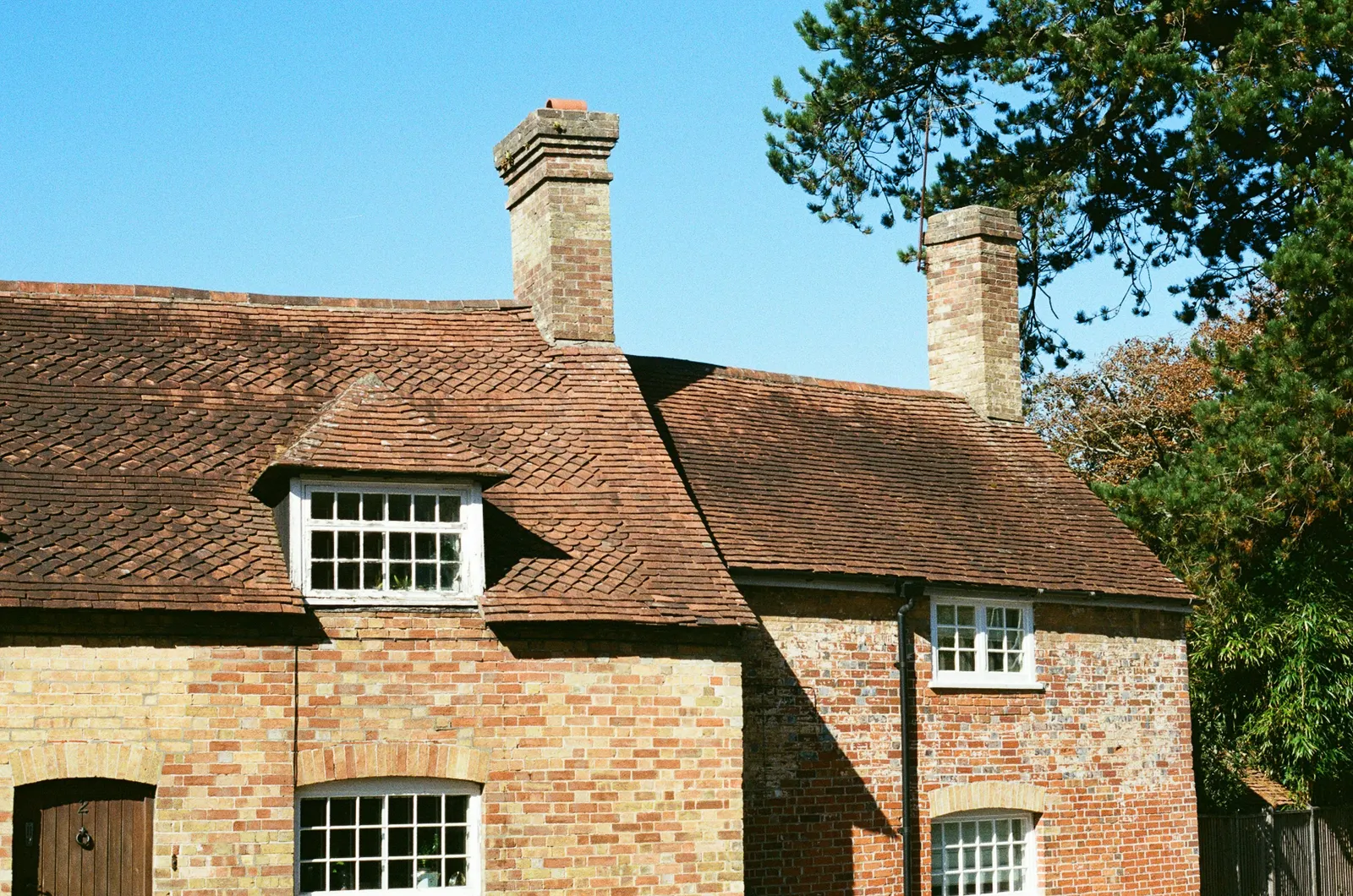
Bat surveys for London lofts, roofs and extensions
If the council asks for a bat survey, it is because your roof, loft or old building could shelter bats, which are strictly protected. The survey is done by a licensed ecologist we coordinate, in the season when it can be done properly, and goes in with your application. The fixed fee is £495.
Fixed fee from £495 · all prices
Prefer to talk it through?
Why bats are protected so strictly
All bat species are European protected species under the Conservation of Habitats and Species Regulations 2017. Natural England's guidance lists what is an offence: deliberately killing, injuring, disturbing or capturing bats, and damaging or destroying their breeding sites and resting places, including when bats are not present. The Wildlife and Countryside Act 1981 adds offences for intentionally or recklessly disturbing bats while they occupy a shelter or obstructing access to it.
That second point matters for a loft conversion. A roost can be unoccupied on the day you start work and still be protected, so a builder who strips the roof in winter has not avoided the offence by finding nobody at home. The council must consider bats in its decision, and the developer must comply with their legal protection.
Bat Surveys for Planning
from £495
Every price is the full fixed fee you pay. No VAT is charged. Council application fees are paid to the council separately.
What you get
- A desk check of bat records and of the roof, loft and nearby habitat
- An inspection of the building for roosts or signs of bats by a licensed ecologist
- Emergence or re-entry surveys where the first visit says they are needed
- A written report on species, any roost found and the effect of your work
- Mitigation proposals and drawings changes where bats are present
- The report coordinated with your planning application and building works programme
- Is a survey needed?
We check your building and surroundings against Natural England's triggers before you pay for fieldwork.
- Preliminary inspection
A licensed ecologist inspects the roof, loft and walls for roosts and for access points.
- Activity surveys
If the building has potential, evening or dawn surveys count the bats and find where they enter.
- Report
Species, numbers, roost type and the likely effect of your project.
- Avoid, mitigate or license
Redesign or time the work to avoid harm, or apply for a licence where harm cannot be avoided.
When a survey is likely to be asked for
Natural England's guidance says a survey is needed where the site includes or is close to built structures that offer commuting, foraging or roosting opportunities, or trees, shrubs or water bodies that do, or where distribution records suggest bats may be present. It also notes that the absence of a record does not mean there are no bats; it could mean there is no survey data for the location.
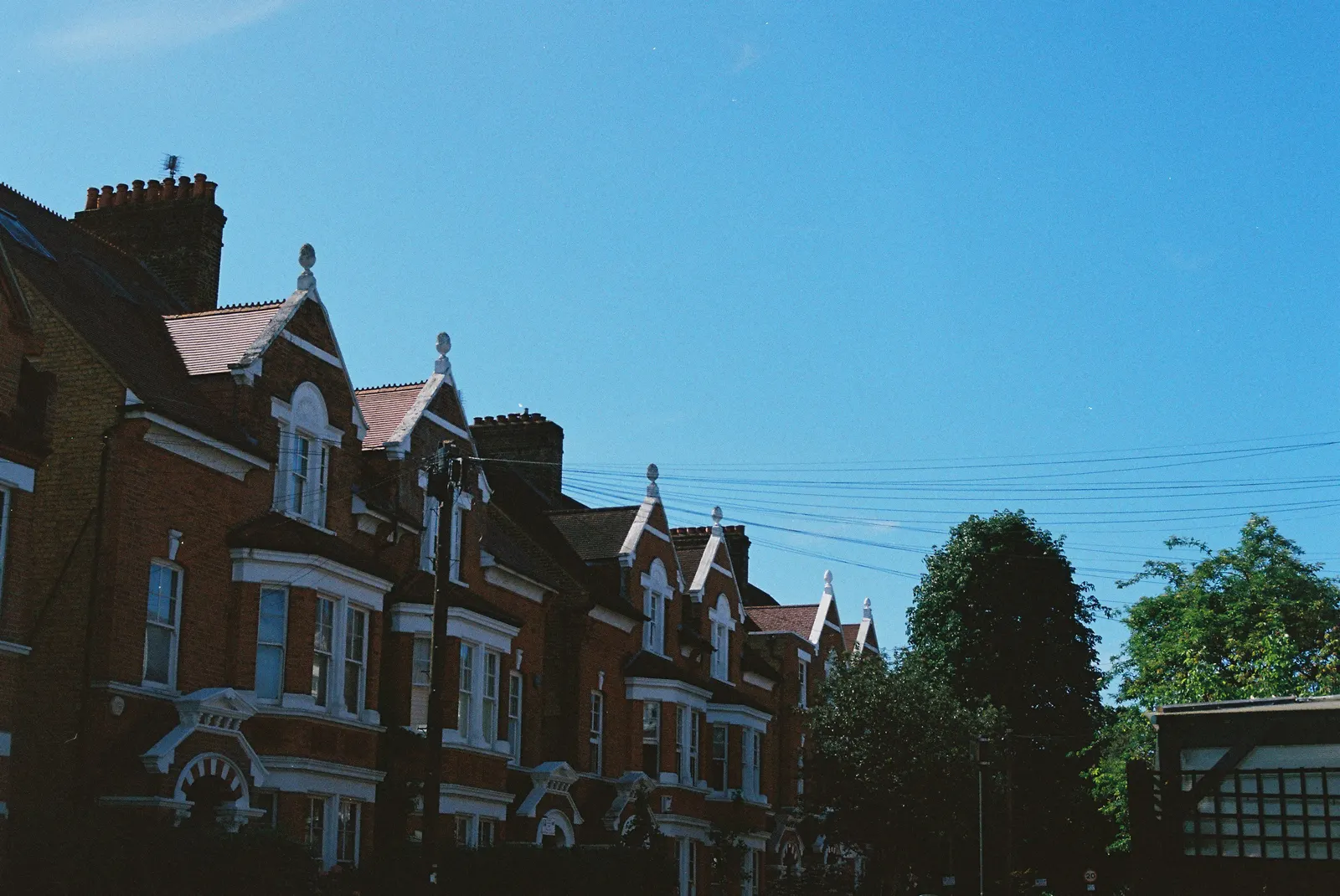
For buildings, the guidance names features that make a roost more likely: minimal artificial lighting, a position close to woodland or water, uneven roof tiles and large roof timbers, cracks, crevices and small openings, a roof that warms in the sun with a large roof space, and hanging tiles or timber cladding on south-facing walls. An older house with a deep roof void and old tiles may share several of them.
The developer may need a bat mitigation licence to carry out the development.
What the survey involves
Surveys must be carried out in the most recent, appropriate season, and the work can include a roost inspection, recording the emergence or re-entry of bats at the site, and recording bat activity. The first visit is usually a daytime inspection of the roof space and the outside of the building, and it can conclude that the risk is negligible, in which case a short report is all that is needed.
Natural England says you must check that the ecologist holds the appropriate and up-to-date survey licence for bats. We work with ecologists who do. The timing is the practical point: fieldwork that has to be done in a particular season cannot be rushed, so the earlier the building is assessed, the less it can hold up an application.
If bats are found
A finding of bats does not end a project. The guidance says that to avoid possible effects, developers could redesign the proposal to leave roosts in place, leave supporting habitat in place, alter the timing of works to avoid sensitive times such as the maternity and hibernation seasons, and change the methods of working. Where harm cannot be avoided, mitigation and compensation are needed, such as new roosting places within the building.
The developer may need a bat mitigation licence to carry out the development. The survey report is the evidence a licence application rests on. We build the mitigation into your drawings, for example a bat box or access tile in the new roof, so the application and the licence tell the same story.

Where it fits with your loft or extension plans
A bat survey is a design input, not an afterthought. A hip-to-gable or mansard conversion removes the roof structure bats use, a rear dormer opens the loft, and an extension that joins an old roof disturbs the junction. Telling us early lets us time the drawings and programme the build around the survey season.
See our loft conversion drawings for the design side and our tree survey service, which is often needed on the same site, since mature trees are another bat habitat.
Fee, and who does the fieldwork
The fixed fee is £495, the total you pay, with no VAT charged. The survey and report are carried out by a licensed ecologist we coordinate, not by us. The fee covers the assessment of a typical house roof and the report for your application. Further activity surveys, if the first visit calls for them, and any licence application are quoted before they begin.
Send the address, a photograph of the roof and a line on what you are changing. If the risk is low, we tell you before you commit.
Sources
Every figure on this page, where it comes from and a link to the original.
| Figure | Source | Link |
|---|---|---|
| including when bats are not present | Natural England, Bats: surveys and mitigation for development projects: It is an offence to (source wording: "damage or destroy their breeding sites and resting places (including when bats are not present)") | www.gov.uk |
| bat mitigation licence | Natural England, Bats: surveys and mitigation for development projects: (source wording: "The developer may need a bat mitigation licence to carry out their development proposal") | www.gov.uk |
| uneven roof tiles and large roof timbers | Natural England, Bats: surveys and mitigation for development projects: buildings likely to contain roosts include those that (source wording: "have uneven roof tiles and large roof timbers") | www.gov.uk |
| absence of a record does not mean there are no bats | Natural England, Bats: surveys and mitigation for development projects: (source wording: "Absence of a record does not mean there are no bats") | www.gov.uk |
| most recent, appropriate season | Natural England, Bats: surveys and mitigation for development projects: surveys must (source wording: "be carried out in the most recent, appropriate season") | www.gov.uk |
| appropriate and up-to-date survey licence | Natural England, Bats: surveys and mitigation for development projects: (source wording: "You must check if the ecologist holds the appropriate and up-to-date survey licence to carry out surveys for bats") | www.gov.uk |
| maternity and hibernation seasons | Natural England, Bats: surveys and mitigation for development projects: developers could (source wording: "alter the timing of works to avoid sensitive times to bats, such as maternity and hibernation seasons") | www.gov.uk |