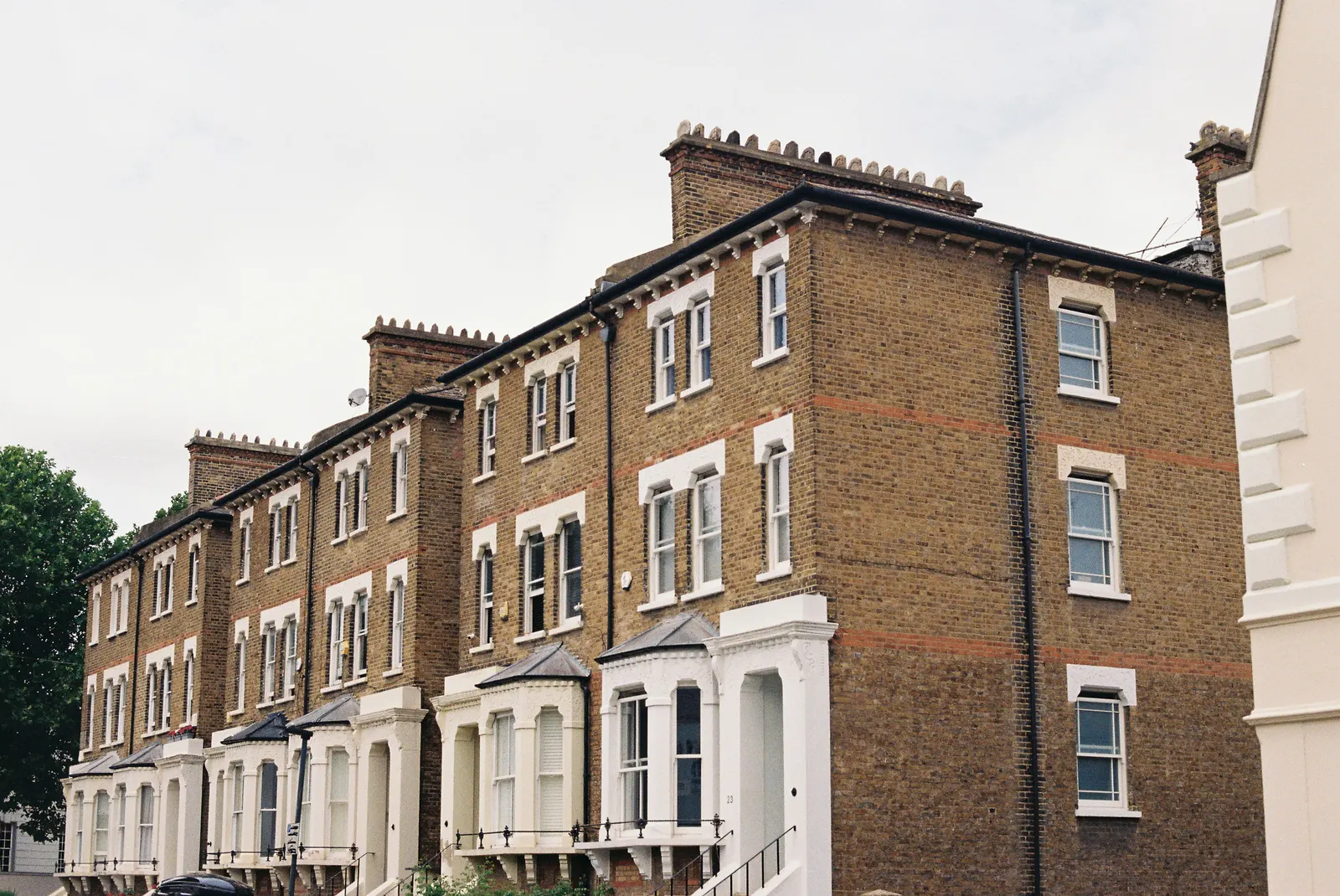
Party Wall Notices & DrawingsFrom £45
How much do party wall notices cost in London?
A party wall notice from us costs £45 per adjoining owner, prepared and served for you. If a neighbour agrees in writing, that is all the notice costs; if they do not, surveyors are appointed and their fees are a separate bill, so it helps to know which way the Act points before you serve.
The short answer: a small fixed fee per neighbour
We charge £45 for each adjoining owner we need to serve. A house in a terrace usually has two, one each side, so two notices. We prepare the notice in the form the Act requires, work out who the owner is, and serve it so you have proof of the date.
That fee is the notice, and nothing else. It does not include the neighbour's surveyor, a surveyor of your own if one is needed, or any award that follows, and we do not hide them inside a larger figure. The post goes through each one so you can see where the bill could go.
- Notice, per adjoining owner
- £45
- Drawings for the notice
- £195
- Schedule of condition
- £245
- Total
- £485
Which notice, and how early
A notice about work to a party wall itself, such as cutting a recess for a steel beam, must be served at least two months before the work will begin. A notice that you intend to build a new wall at the boundary must be served at least one month before, under section 1.
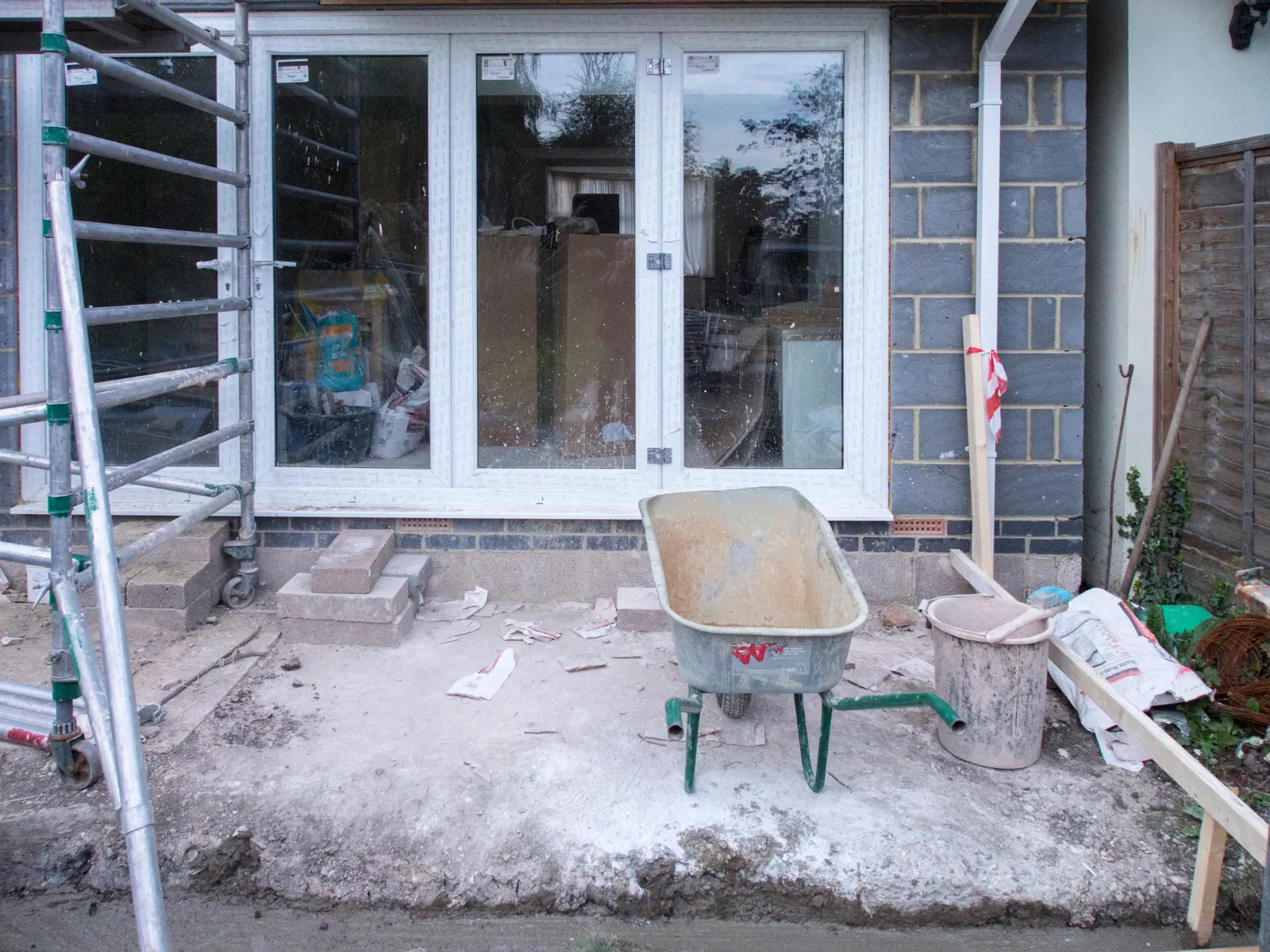
Digging near a neighbour's building has its own trigger. Excavation within three metres of the neighbour's building and deeper than their foundations needs notice, as does excavation within six metres that meets a 45-degree line from their foundations, and the notice must be served at least one month before beginning to excavate. Basements and deep rear footings both fall into that category.
What your neighbour can do after the notice
A neighbour has three choices: consent, serve a counter notice, or say nothing. If the owner does not respond in 14 days, they are deemed to have dissented and a dispute is deemed to have arisen. Silence therefore does not mean yes, which surprises many homeowners.
A dispute is not a court case. The Act asks for a surveyor to settle it, and either both owners agree on one surveyor or each appoints their own and the two select a third (section 10). The result is a party wall award, a document setting out what may be done, when and how.
Who pays for the surveyors
The award decides it. The reasonable costs of making it, and of related inspections, are paid by such of the parties as the surveyor or surveyors determine. It is not fixed by the Act in advance, so we cannot give a single figure, and a quote that does is guessing.
A schedule of condition is the usual protection against a later damage claim. It records the cracks and finishes in the neighbour's wall before work starts, so a later claim about damage is settled by evidence rather than argument. Ours is £245.
When you do not need a notice
Not every extension touches a party wall. A detached house usually has none, and a rear extension that stays clear of the boundary and keeps its footings away from the neighbour's building may not trigger the Act. The reverse is common on terraces and semis, where the new side wall sits on or against the boundary line.
We check it on the survey visit and tell you which of the three situations applies. If it does not, you save the notice fee; our guide to party wall agreements explains how, and party wall notices and drawings shows the service.
Sources
Every figure in this article, where it comes from and a link to the original.
- two months: Party Wall etc. Act 1996 s3(2)(a): a party structure notice must be served (source wording: "at least two months before the date on which the proposed work will begin"). www.legislation.gov.uk
- one month: Party Wall etc. Act 1996 s1(2): notice of a new wall at the boundary must be served (source wording: "at least one month before he intends the building work to start"). www.legislation.gov.uk
- 14 days: Party Wall etc. Act 1996 s5: an owner who does not consent within 14 days is deemed to dissent (source wording: "he shall be deemed to have dissented from the notice and a dispute shall be deemed to have arisen between the parties"). www.legislation.gov.uk
- three metres: Party Wall etc. Act 1996 s6(1)(a): excavation (source wording: "within a distance of three metres measured horizontally from any part of a building or structure of an adjoining owner"). www.legislation.gov.uk
- six metres: Party Wall etc. Act 1996 s6(2)(a): excavation (source wording: "within a distance of six metres measured horizontally from any part of a building or structure of an adjoining owner"). www.legislation.gov.uk
- one month: Party Wall etc. Act 1996 s6(5): notice for adjacent excavation (source wording: "at least one month before beginning to excavate"). www.legislation.gov.uk
- paid by such of the parties as the surveyor or surveyors determine: Party Wall etc. Act 1996 s10(13): the reasonable costs of making or obtaining an award (source wording: "shall be paid by such of the parties as the surveyor or surveyors making the award determine"). www.legislation.gov.uk
Questions people ask
Is the notice fee per property or per owner?
Do I pay VAT on your fee?
Can I just ask my neighbour informally?
What if my neighbour will not reply?
Does a notice stop me building?
Photographs: T (Unsplash License); Brett Jordan (Pexels License).
Party Wall Notices & Drawings: a fixed fee from £45
Read more on the party wall notices & drawings service page, or send your address below and we reply within one working day.
Party Wall Notices & Drawings
from £45
Every price is the full fixed fee you pay. No VAT is charged. Council application fees are paid to the council separately.
What you get
- Notice prepared in the form the Act requires
- Neighbour's ownership checked before service
- Notice served with proof of the date
- Drawings for the notice if the work needs them
- A schedule of condition if your neighbour's surveyor asks for one