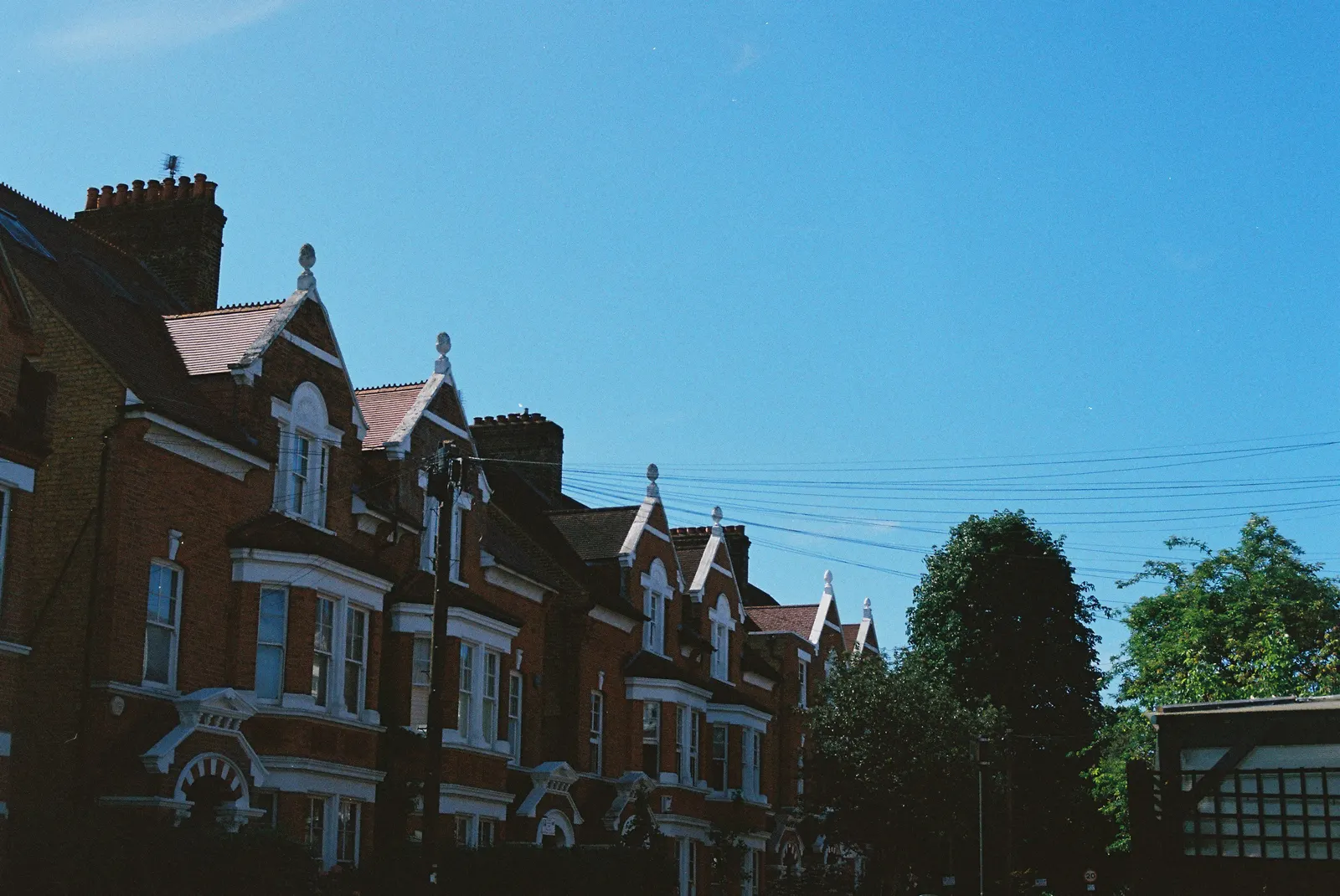
Heritage statement for Camden, written to the council's own checklist
Camden tells applicants what a heritage statement must contain and what it must explain, down to the sources considered and the expertise consulted. We write the statement to that checklist, for a fixed £595, so it answers the questions the council has already said it will ask.
Fixed fee from £595 · all prices
Prefer to talk it through?
When Camden asks for one
The council's heritage statements page says a statement should accompany applications for substantial or total demolition of a building in a conservation area, works to buildings on the local list, works affecting the setting of a listed building or a conservation area, and all listed building applications.
Its conservation areas page goes further for the common case. It says there are 40 conservation areas in Camden covering about half of the borough, and that to alter a property in one you will usually need planning permission and must include a heritage statement.
Heritage Statement in Camden
from £595
Every price is the full fixed fee you pay. No VAT is charged. Council application fees are paid to the council separately.
What you get
- A significance assessment of the building or area, including its setting
- The principles and justification for your proposed works
- An impact assessment: how much harm, if any, the work causes
- A list of the sources considered and the expertise consulted
- The steps taken to avoid or minimise harm
- A document that cross-references your scale drawings
- Establish significance
What the asset is and what its setting contributes.
- State the principles
What the work is meant to achieve and why.
- Assess the impact
Whether it causes harm, and how much.
- Show the sources
What was considered and who was consulted.
- Cross-refer the drawings
Every claim tied to a scale plan or elevation.
What the statement must contain
The council says you must justify the proposal under the National Planning Policy Framework criteria and give information on three things: the significance of the heritage asset affected, including any contribution made by its setting; the principles of and justification for the works; and the impact on the asset's significance, including whether it causes substantial harm or total loss.
It adds that the statement should explain the sources you have considered, the expertise you have consulted and the steps taken to avoid or minimise adverse impacts. Camden has named them, so we write them in.
Government guidance says there is no fee for a listed building consent application.
Where it goes in the application
The council says the information can be provided in the design and access statement, where one is required, as part of the explanation of the design concept. If no design and access statement is needed, it should be a separate written statement. On the Planning Portal you are given the chance to upload it after completing the forms.
Either way, the council says it should cross-reference any associated scale drawings and plans. If you need the drawings too, listed building consent drawings are available as a fixed-fee service, and we keep the references aligned.
Substantial harm
If the proposed works would cause substantial harm or total loss of significance, Camden says you must provide a method statement and justification in line with the National Planning Policy Framework. We say early if your scheme looks like that case, because it is a different job from a statement for a sensitive repair.
The council also says the type and amount of detail varies with each application, so a rear window replacement and a basement under a listed house will not read alike.

Our fixed fee
Our fixed £595 covers the statement. The council's own fees, where an application has one, are separate and are paid to the council. Government guidance says there is no fee for a listed building consent application.
Sources
Every figure on this page, where it comes from and a link to the original.
| Figure | Source | Link |
|---|---|---|
| when required | Camden Council, Heritage statements: a heritage statement should accompany applications for substantial or total demolition of a building in a conservation area, works to buildings on the local list, works affecting the setting of a listed building or a conservation area, and all listed building applications | www.camden.gov.uk |
| significance, justification, impact | Camden Council, Heritage statements: provide the significance of the heritage asset including any contribution of its setting, the principles of and justification for the works, and the impact on significance | www.camden.gov.uk |
| sources, expertise, steps to avoid harm | Camden Council, Heritage statements: explain the sources considered, the expertise consulted and the steps taken to avoid or minimise any adverse impacts | www.camden.gov.uk |
| in the DAS or separate | Camden Council, Heritage statements: can be provided in the design and access statement where one is required; otherwise a separate written statement; it should cross-reference scale drawings and plans | www.camden.gov.uk |
| method statement for substantial harm | Camden Council, Heritage statements: if the works would cause substantial harm or total loss of significance, provide a method statement and justification in line with the NPPF | www.camden.gov.uk |
| heritage statement required in conservation areas | Camden Council, Conservation areas: to alter a property in a conservation area you will usually need planning permission and you must include a heritage statement | www.camden.gov.uk |
| 40, about half of the borough | Camden Council, Conservation areas: there are 40 conservation areas in Camden, which cover about half of the borough | www.camden.gov.uk |
| no fee | Planning Practice Guidance, Historic environment, para 044: (source wording: "There is no fee for submitting an application for listed building consent") | www.gov.uk |
Questions people ask
Do I need a heritage statement for a flat in a Camden conservation area?
Can the heritage statement go in the design and access statement?
What does Camden say it must cover?
How many conservation areas are there in Camden?
Photographs: John Lord (CC BY-SA 2.0); Ian S (CC BY-SA 2.0); David Howard (CC BY-SA 2.0).


