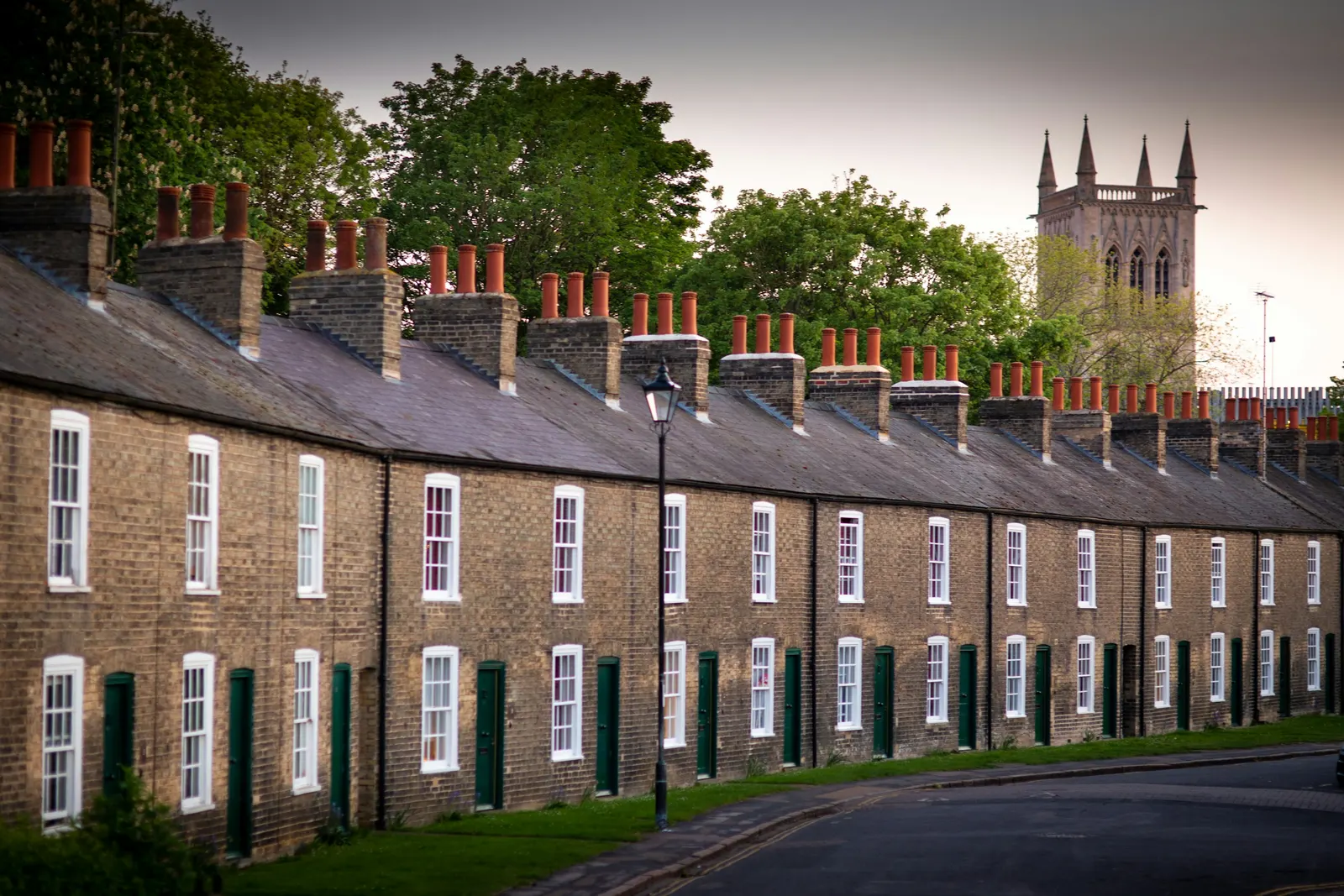
Lawful development certificate drawings in London
A planning LDC, or lawful development certificate, is the council's written confirmation that work you propose is lawful without a planning application. It stands or falls on accurate drawings. DrawingsDirect prepares them for London homes at a fixed fee from £645.
Fixed fee from £445 drawings + £200 survey (£645 total) · all prices
Prefer to talk it through?
What an LDC proves, and what it does not
A certificate gives you evidence, issued by the council, that a particular extension, loft or outbuilding falls within permitted development, or that an existing use or building is already lawful. Buyers' solicitors and lenders may ask to see one when a house has been altered.
It does not give you planning permission, and it does not deal with matters outside planning law, such as a neighbour's right to light or the Building Regulations. Our guide on whether you need a lawful development certificate helps you decide, and the glossary entry gives the short definition.
The limits the drawings have to prove
For a householder certificate, the drawings must show that the work sits inside the permitted development rules. Two examples: a single-storey rear extension on a house that is not detached may go 3 metres beyond the rear wall of the original house (GPDO 2015, Schedule 2, Part 1, Class A.1(f)(i)), and a roof space addition to a terrace house may add up to 40 cubic metres (Class B.1(d)).
Each limit is measured, so the drawings carry the figures the officer will check: depths, heights, volumes and distances to boundaries. The full rules are on legislation.gov.uk. Our glossary entry on permitted development sums up the right in a paragraph.
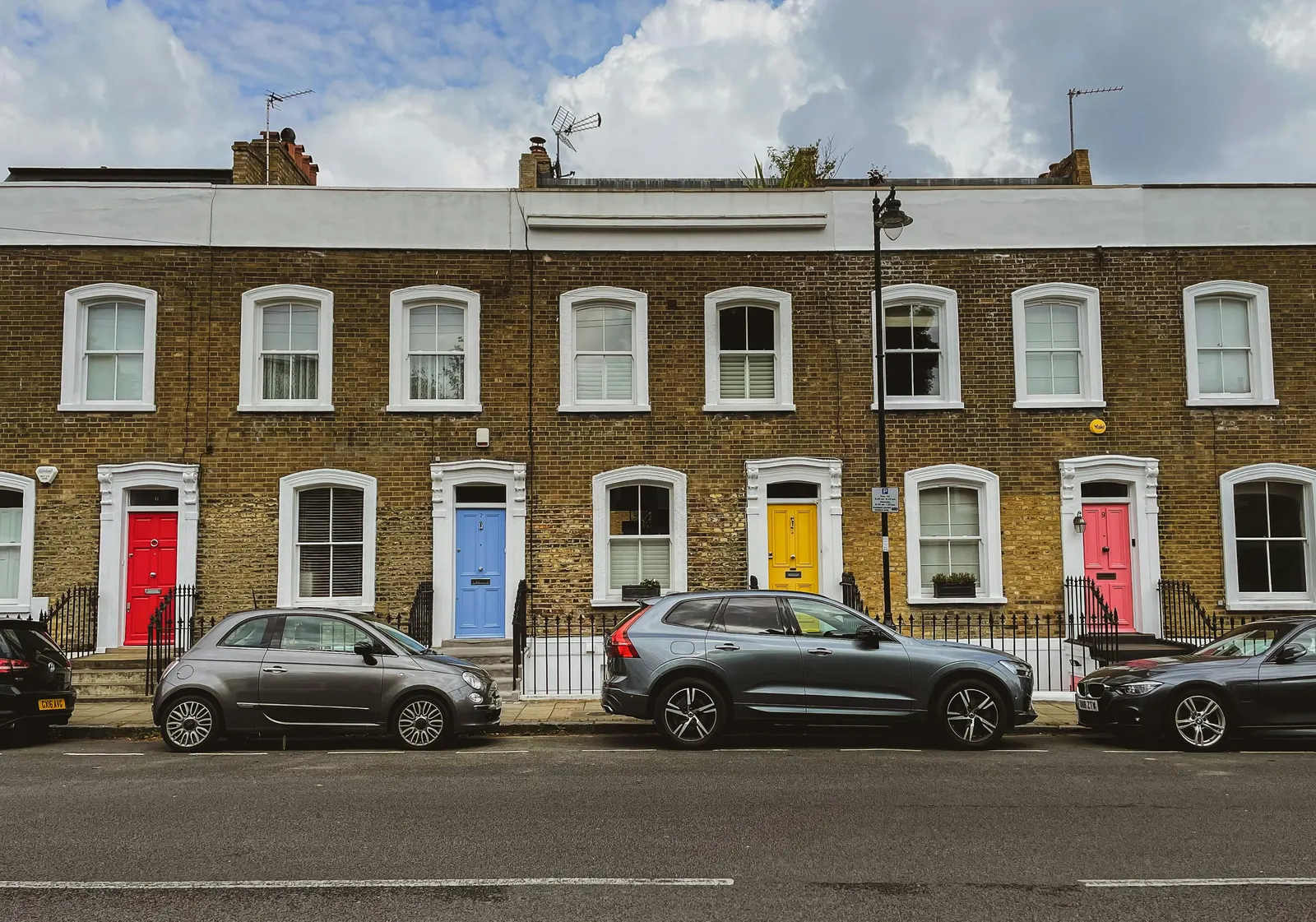
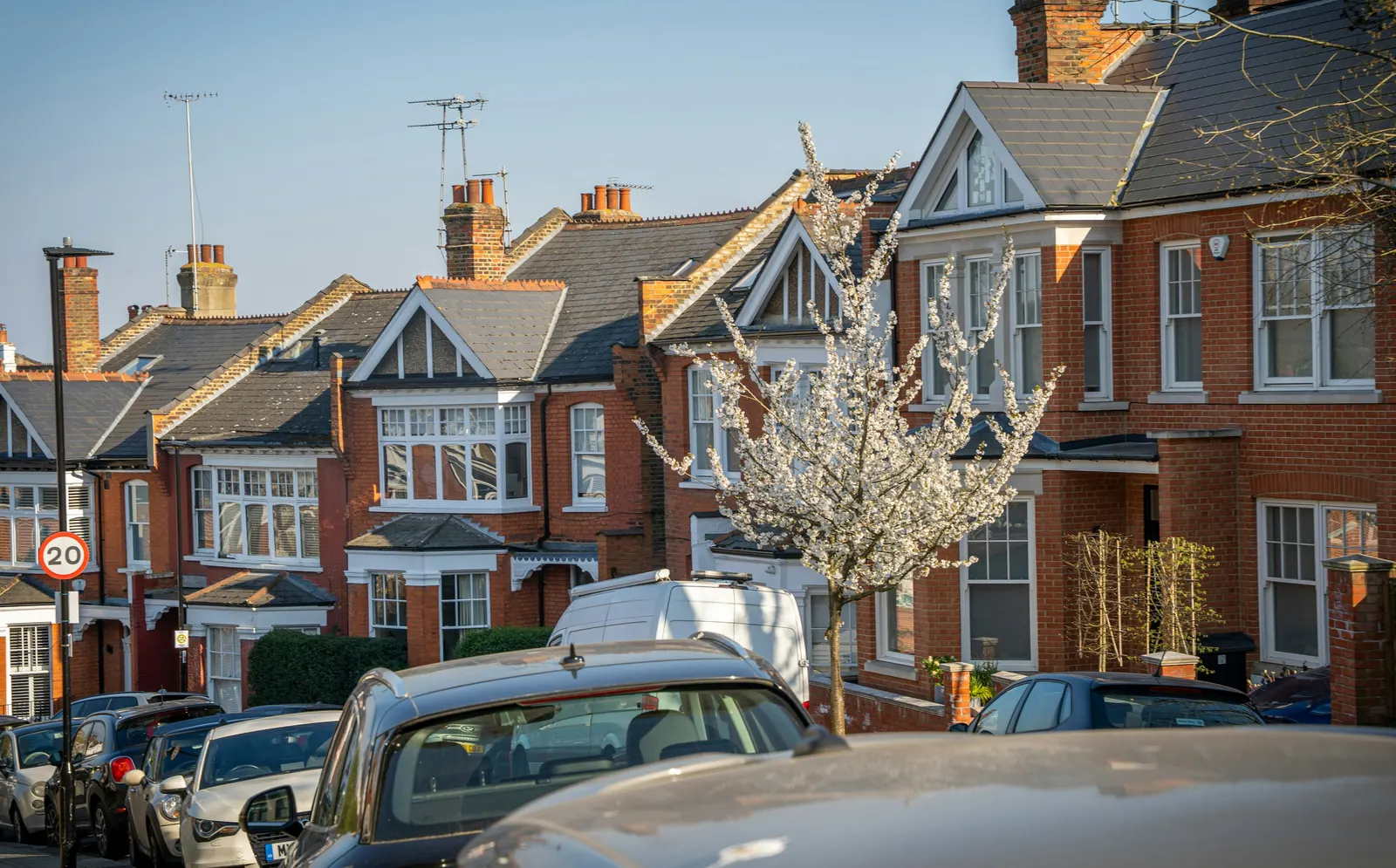
Across England, local planning authorities decided 84,906 certificates of lawful development in the eight quarters 2024 Q3 to 2026 Q2 (our analysis of MHCLG planning application statistics, table PS1).
How many certificates councils decide
Across England, local planning authorities decided 84,906 certificates of lawful development in the eight quarters 2024 Q3 to 2026 Q2 (our analysis of MHCLG planning application statistics, table PS1). It is an everyday route, not a rarity.
Over the same eight quarters, they determined 8,343 larger home extension prior approvals (our analysis of MHCLG table PS1), a different route for deeper rear extensions that has its own neighbour consultation. Read about it in our prior approval guide.
Certificate, prior approval or full application?
If the project is plainly within the limits, a certificate is a tidy way to prove it. If it needs prior approval, such as a larger home extension, that is a separate application to make instead. If it goes beyond permitted development, you need a full application, and our planning drawings service covers it.
Houses in conservation areas, flats and any property under an Article 4 direction lose some or all of these rights, so check before you apply. The Article 4 direction explainer shows how.

What it costs
DrawingsDirect's fixed fee for lawful development certificate drawings starts from £645. The council's own fee for a certificate of lawfulness for a proposed use or operation is half the full application fee: £274, half of the £548 householder fee, from 1 April 2026, paid to the council. The pricing page lists our other services.
Sources
Every figure on this page, where it comes from and a link to the original.
| Figure | Source | Link |
|---|---|---|
| £645 | DrawingsDirect starting fixed fee for a lawful development certificate or permitted development drawings | drawingsdirect.co.uk |
| 84,906 | Our analysis of MHCLG planning application statistics, table PS1 (district open data table) (released 24 Sep 2026, quarters to 2026 Q2) | www.gov.uk |
| 8,343 | Our analysis of MHCLG planning application statistics, table PS1 (district open data table) (released 24 Sep 2026, quarters to 2026 Q2) | www.gov.uk |
| £274 | Statutory fee from 1 April 2026: certificate of lawfulness, proposed use or operation, half the full application fee (half of the £548 householder fee) | assets.publishing.service.gov.uk |
| 3 metres | GPDO 2015 Sch 2 Pt 1 Class A.1(f)(i): single-storey rear extension max depth, house other than detached (source wording: 3 metres) | www.legislation.gov.uk |
| 40 cubic metres | GPDO 2015 Sch 2 Pt 1 Class B.1(d): roof space volume addition limit, terrace house (source wording: 40 cubic metres) | www.legislation.gov.uk |