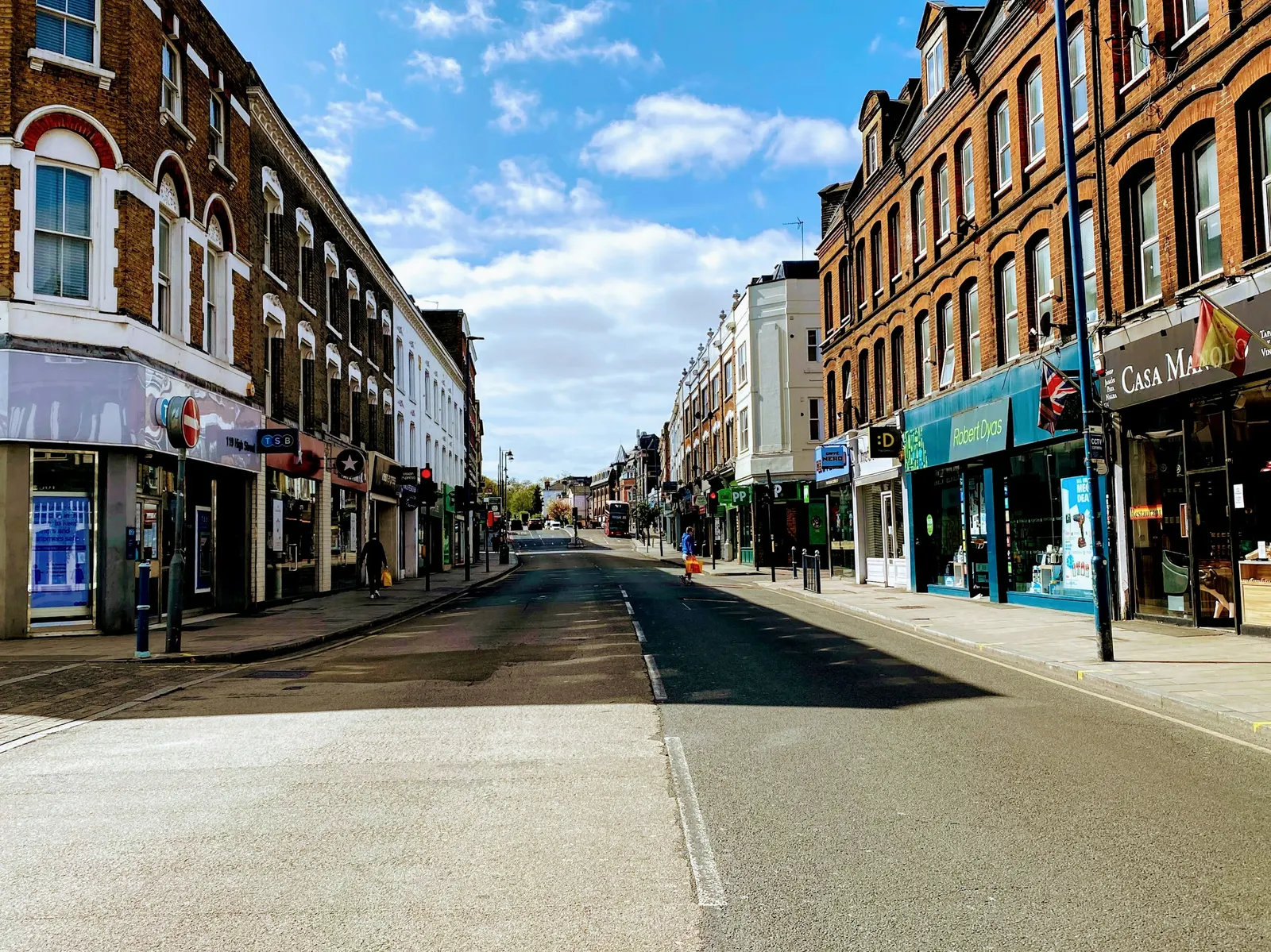
Article 4 directions in London explained
When a council makes an Article 4 direction, work that would normally be permitted development in that area needs a planning application instead. The best-known case is the right to turn a house into a small HMO. Check your address with the council before you plan anything.
Prefer to talk it through?
What article 4(1) actually does
Permitted development rights are granted nationally by the General Permitted Development Order 2015. Article 4(1) of that Order lets a local planning authority, or the Secretary of State, direct that the permission granted by article 3 does not apply to development described in Schedule 2 (legislation.gov.uk).
The effect is simple. Work that would have been allowed without an application now needs a planning application, judged on its merits like any other. The direction does not ban the work, and it does not touch rights it does not mention.
The HMO right it usually removes
The right in question is Class L in Part 3 of the Order: a house in Class C3 may become a small HMO in Class C4, or return to a single house, without an application, provided the change does not produce two or more separate dwellings. A council can make an Article 4 direction that withdraws this right within a defined area. Inside that area, a family house can become an HMO only after planning permission is granted.
That is why a street-level check matters. Two houses a few doors apart can sit on either side of a boundary. Our HMO conversion drawings service shows what we draw once you know which rule applies to your address.
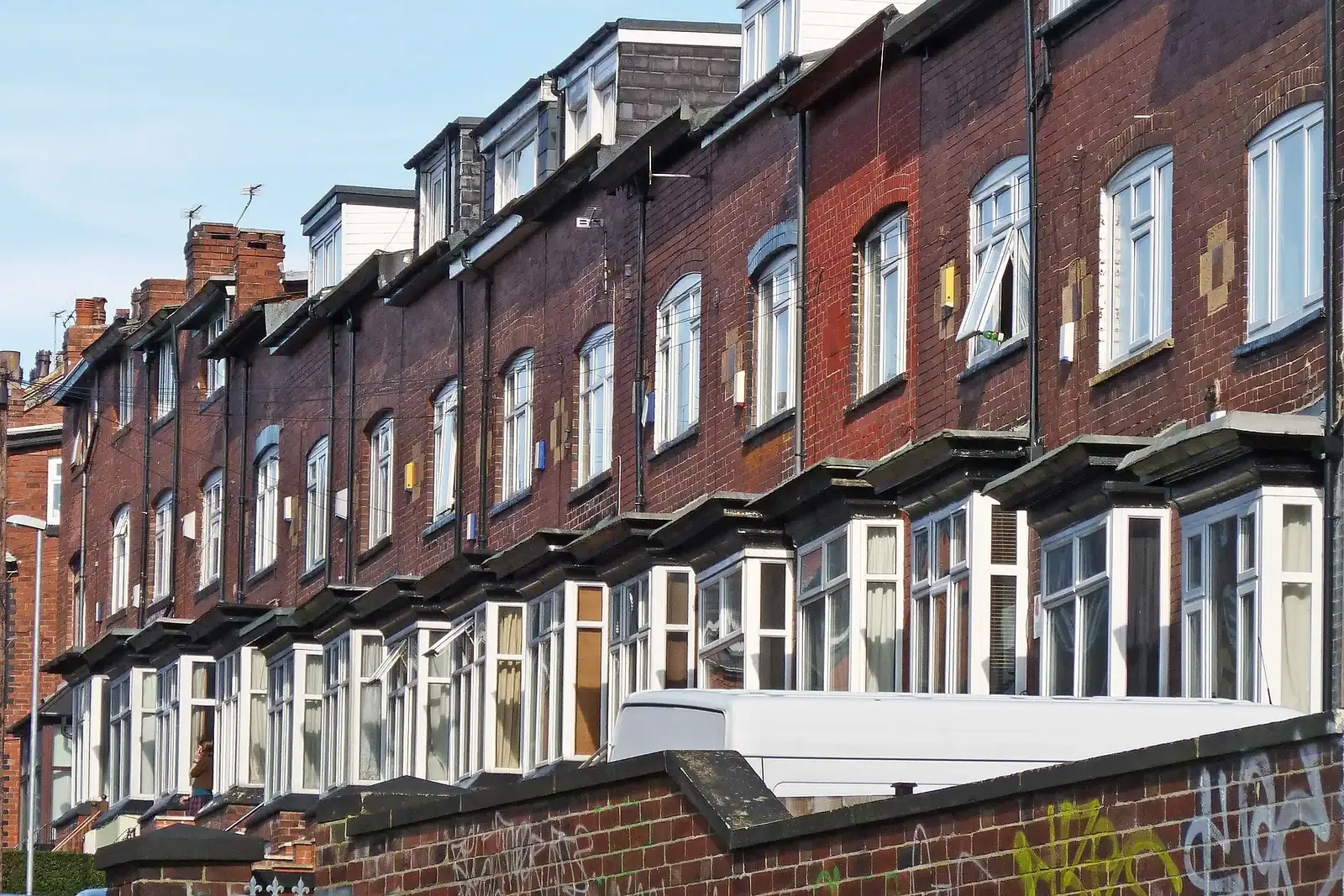
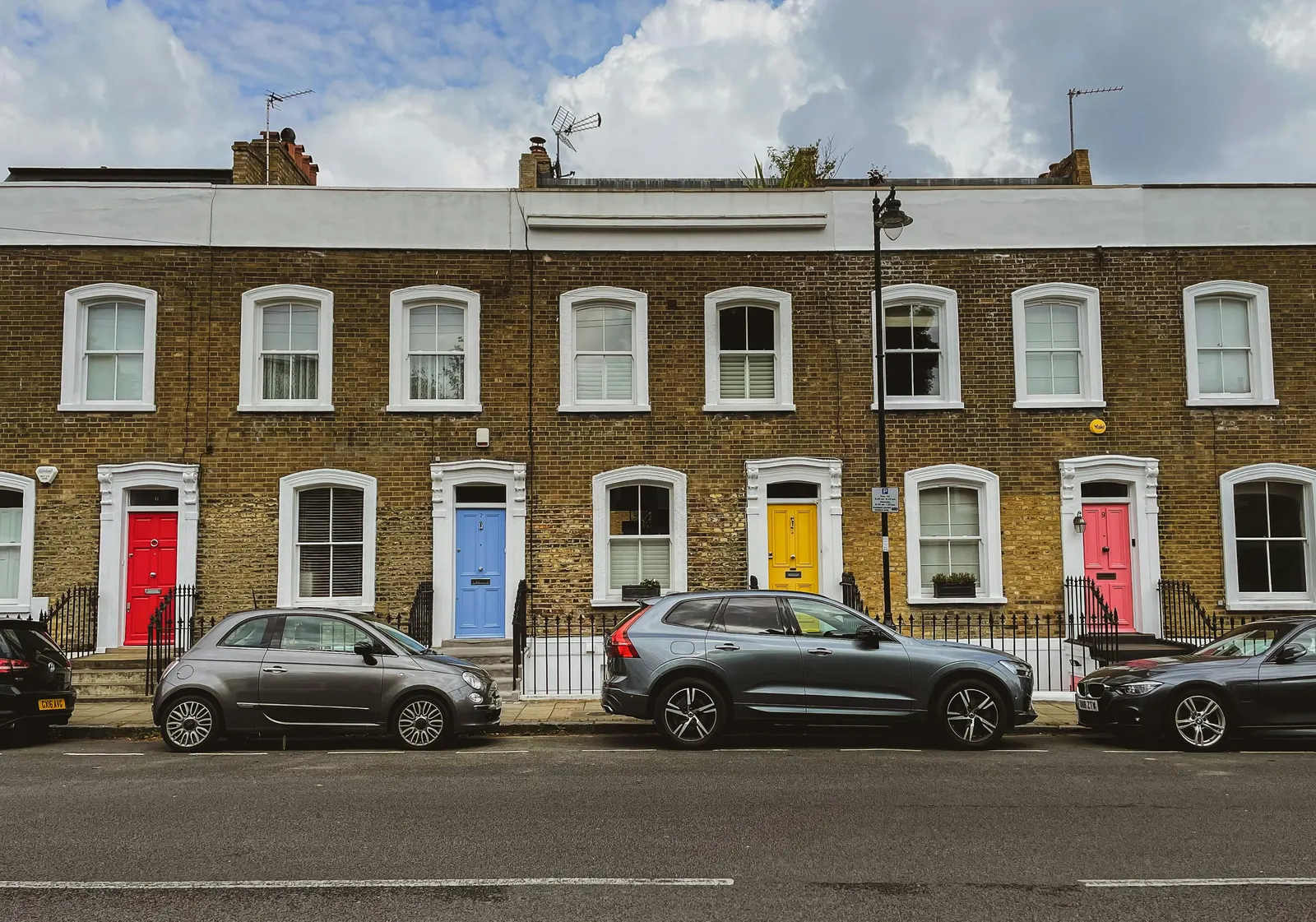
The same analysis finds 1,154 live conservation-area entries on the register across the 33 London councils.
Planning is one test, licensing is another
A direction concerns planning only. Separately, mandatory HMO licensing covers a house occupied by five or more persons living in two or more separate households, under article 4 of the Licensing of Houses in Multiple Occupation (Prescribed Description) (England) Order 2018.
A house can need a licence without needing planning permission, and the reverse. Our guide to planning permission for an HMO sets the two tests side by side, and the HMO conversion cost guide covers what the drawings cost.
How many directions London has on the register
On the national planning data register, our analysis of the MHCLG Planning Data Platform conservation-area and article-4-direction datasets (bulk snapshot retrieved 19 October 2026) finds 1,161 live Article 4 direction entries across the 18 London councils that have any. The register is incomplete, so treat that as a minimum, not a count of every direction in force.
The same analysis finds 1,154 live conservation-area entries on the register across the 33 London councils. A direction can sit inside a conservation area, where other permitted development rights are already tighter. Whether your road is in one is a question for your council's own conservation area map; see the conservation area guide and our Article 4 glossary entry.

Finding out whether your address is covered
The register is a starting point, not the answer for a given house. Use your council's own Article 4 and conservation area maps, or ask its planning team in writing, and keep the reply: it settles the question and protects you if the position is disputed later.
If the right has been removed, the route is a full application, or a lawful development certificate where you can show the use is already lawful. Our lawful development certificate drawings cover the second route.
Sources
Every figure on this page, where it comes from and a link to the original.
| Figure | Source | Link |
|---|---|---|
| article 4(1) | GPDO 2015 article 4(1): the local planning authority (or the Secretary of State) may direct that the permission granted by article 3 does not apply to development described in Schedule 2, so a planning application is needed (source wording: "the permission granted by article 3 does not apply to") | www.legislation.gov.uk |
| Class L | GPDO 2015 Sch 2 Pt 3 Class L: change of use from Class C3 (dwellinghouses) to Class C4 (houses in multiple occupation), and back, is permitted development unless it would create two or more separate dwellings (source wording: "Class C4 (houses in multiple occupation)") | www.legislation.gov.uk |
| five or more | Licensing of Houses in Multiple Occupation (Prescribed Description) (England) Order 2018 art 4: mandatory HMO licensing covers an HMO occupied by five or more persons living in two or more separate households (source wording: "is occupied by five or more persons") | www.legislation.gov.uk |
| 1,161 | Our analysis of MHCLG Planning Data Platform conservation-area and article-4-direction datasets (bulk snapshot retrieved 19 Oct 2026) | www.planning.data.gov.uk |
| 1,154 | Our analysis of MHCLG Planning Data Platform conservation-area and article-4-direction datasets (bulk snapshot retrieved 19 Oct 2026) | www.planning.data.gov.uk |
Questions people ask
What is Article 4?
Do I need planning permission for an HMO in an Article 4 area?
Where can I see Article 4 areas in London?
Does an Article 4 direction stop me converting?
Photographs: Tim Green from Bradford (CC BY 2.0).
