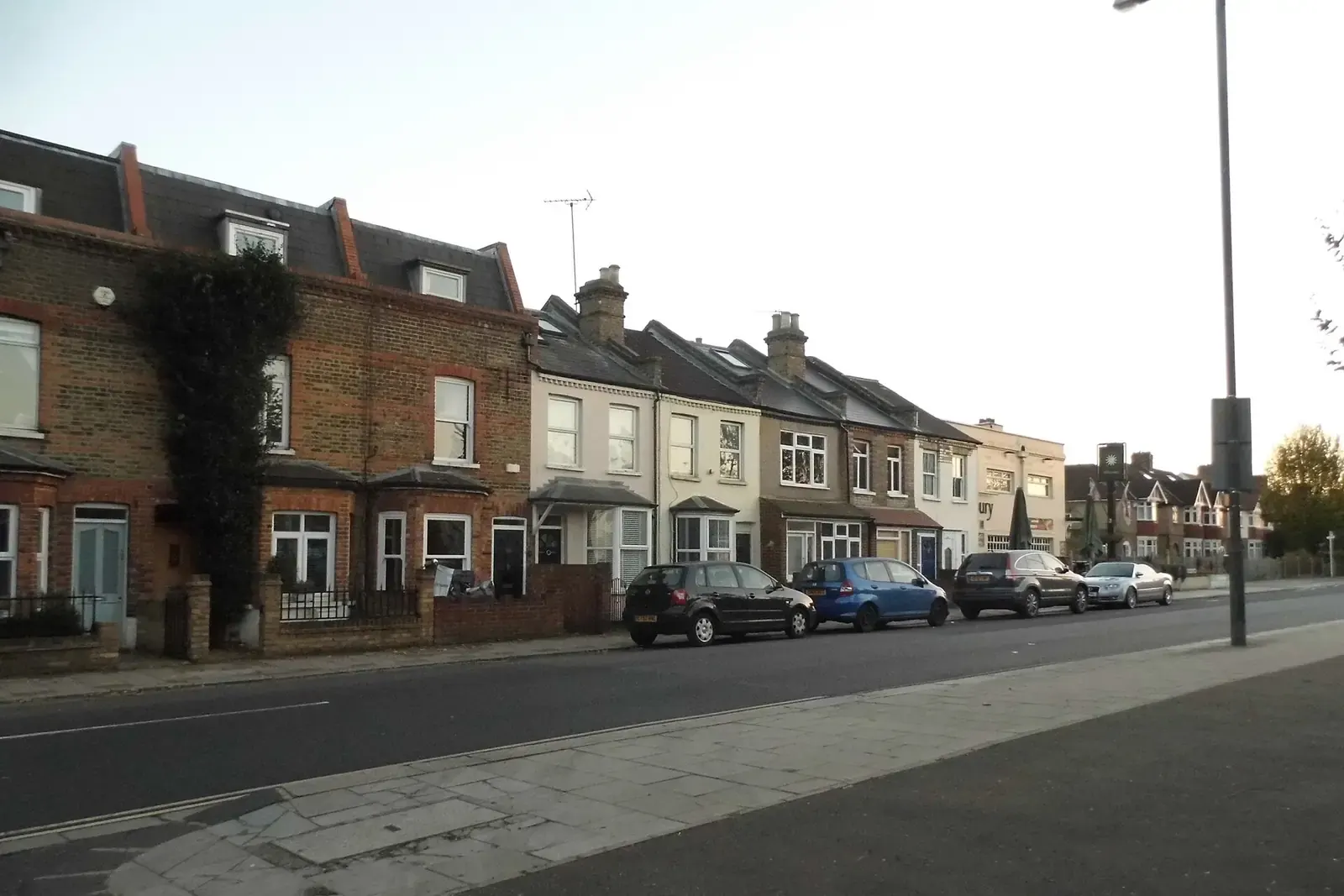
Flood risk assessments for Richmond planning applications, small extensions included
Richmond's Local Validation Checklist, agreed on 19 February 2026, asks for a flood risk assessment on all development in Flood Zones 2 and 3, and says a householder application in those zones without one, or without the council's own declaration form, will be deemed invalid. We write the assessment for a fixed £395, and tell you first if the form alone is enough.
Fixed fee from £395 · all prices
Prefer to talk it through?
What Richmond's February 2026 checklist says
The council's Local Validation Checklist, agreed for adoption on 19 February 2026, lists the flood risk assessment as item 34. It says an assessment is required for "All development proposals within Flood Zones 2* and 3", and the asterisk exempts a change of use in Zone 2 from water compatible to less vulnerable use.
The assessment has to show the proposed use is suitable, does not raise flood risk on or off the site and copes with climate change. It must use the latest flood map and modelling, and it must give the council the evidence to apply the Sequential Test, and the Exception Test where one is needed. That is a longer brief than a single-page note, which is why we start from the checklist and not from a template.
Flood Risk Assessments in Richmond upon Thames
from £395
Every price is the full fixed fee you pay. No VAT is charged. Council application fees are paid to the council separately.
What you get
- Your address checked on the Environment Agency flood map and the council's strategic flood risk mapping
- The Thames tidal defence line and its state noted for riverside sites
- Surface water, groundwater and sewer triggers checked against the checklist
- A note on whether the council's declaration form for small extensions is the right route
- Evidence the council needs to apply the Sequential Test where it applies
- The assessment as a PDF for the planning application
- Use the latest flood maps
The Environment Agency map plus the council's own mapping, with the tidal defence line for Thames sites.
- Cover every source
Rivers and sea, rainfall on the ground, rising groundwater, sewers, reservoirs and canals.
- Apply climate change
The allowances for surface water and river flooding; tidal sites use TE2100 levels and breach modelling.
- Give the Sequential Test evidence
So the council can apply the test and, where needed, the Exception Test.
- Use the Environment Agency template
Or the council's form where a small extension in Zone 2 or 3 qualifies.
The 250sqm declaration form
Richmond has made a shortcut for small schemes, and it is strict. The checklist says that for a householder development, or a non-residential extension with a footprint of less than 250sqm, on a site in Flood Zone 2 or 3, you "must complete" the council's Householder and Other Minor Extensions in Flood Zone 2 and 3 declaration form and send it with the application. It adds that failing to provide the form or a site-specific assessment "will result in the application being deemed invalid".
So a rear extension on a street near the river has two routes: the council's form where the scheme qualifies, or a full assessment. We check the flood map for your address first and tell you which route fits. If the form is enough you can complete it yourself, and you pay us nothing. If the scheme is in Zone 3, near the defences or has a basement, we write the assessment.
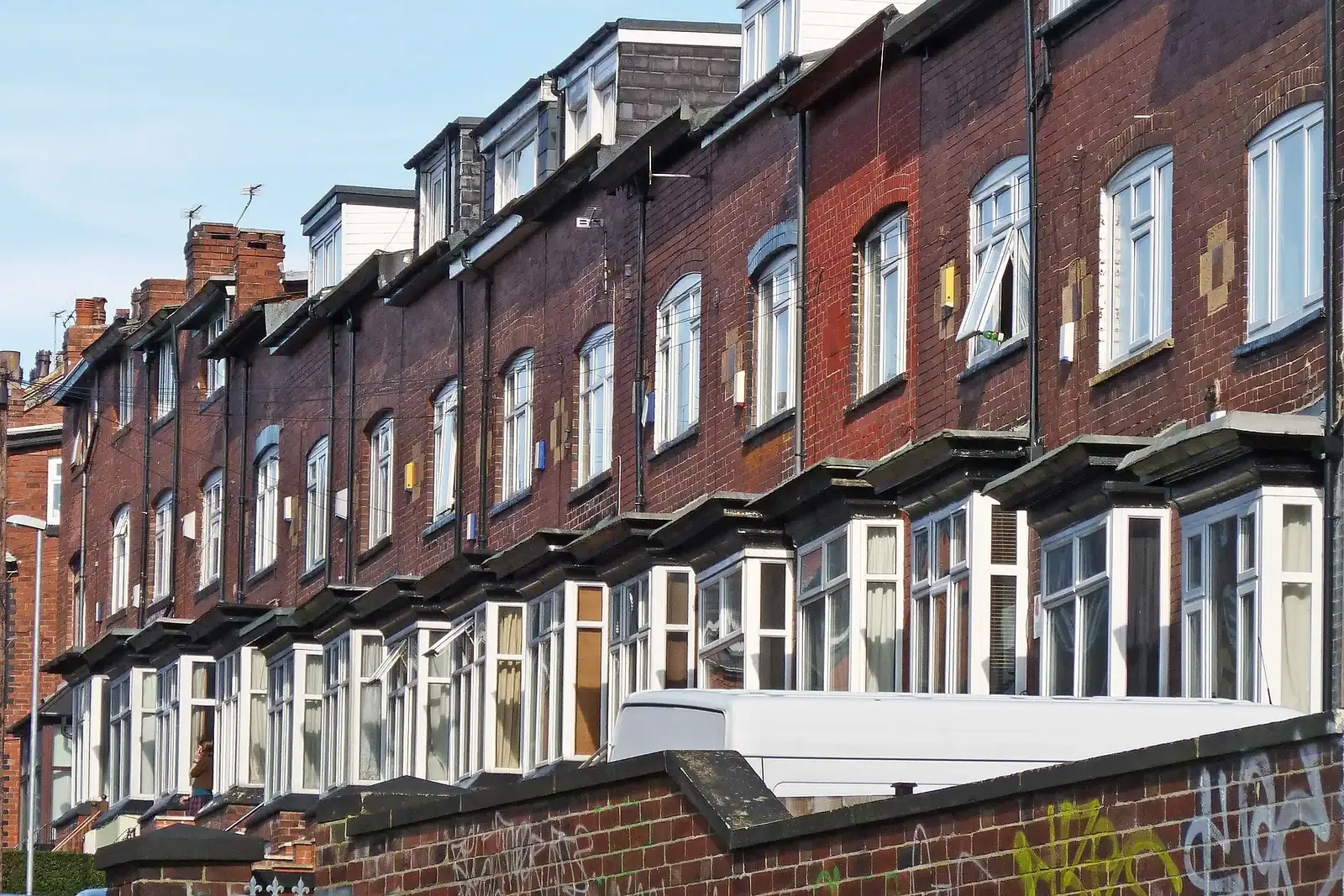
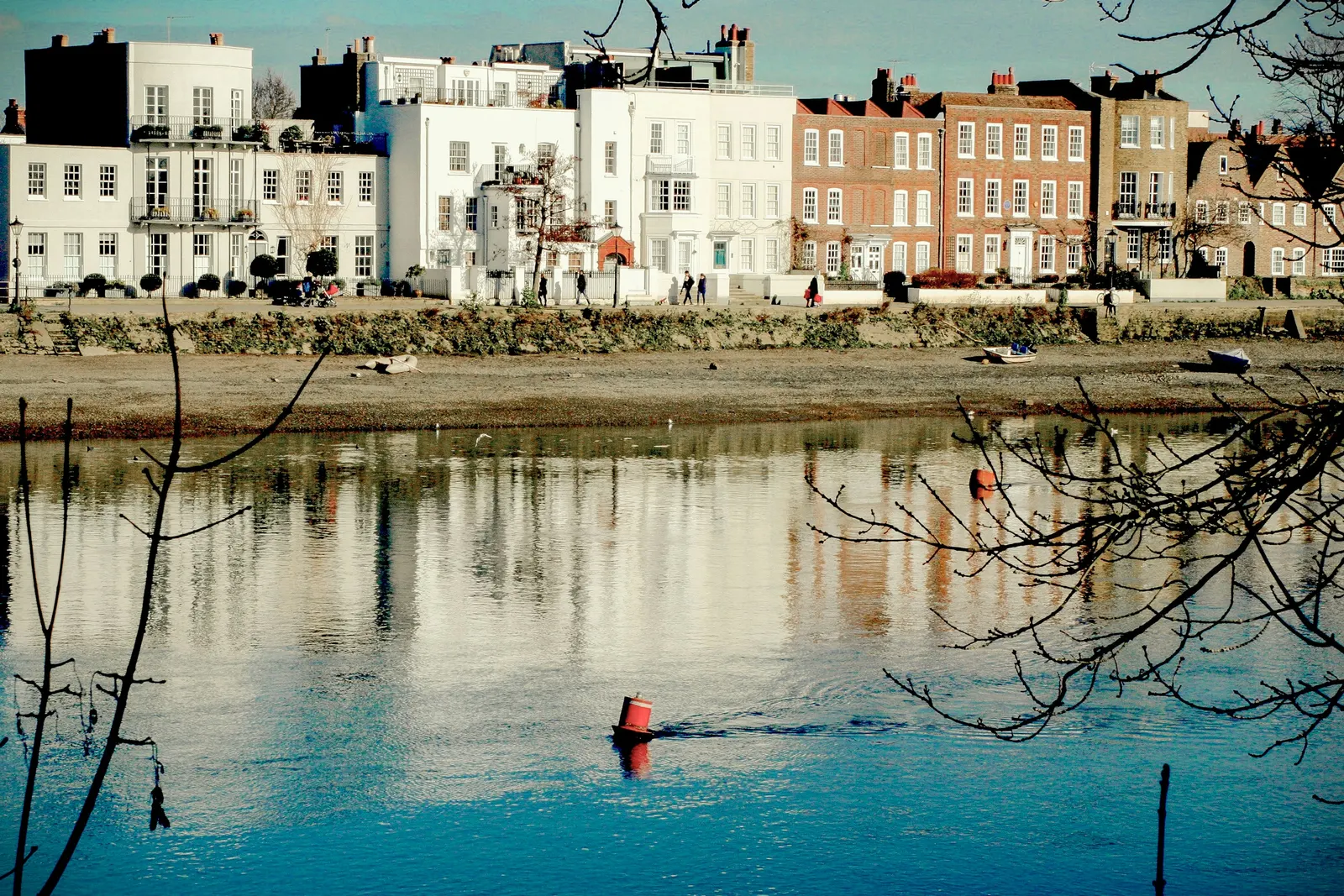
In Flood Zone 3a, in areas at risk of surface water flooding in a 1 in 100 year event and in Flood Zone 2, self-contained residential basements and bedrooms at basement level will not be permitted.
Flood Zone 1 does not always close the question
Much of Richmond sits outside the zones on the river map and still meets a trigger. The checklist asks for an assessment in Zone 1 for a site of 1 hectare or more, and where there is evidence of risk from other sources, including surface water, groundwater or sewer flooding. It names three markers: the 1 in 100 year surface water flood risk map extent, a hotspot in the council's 2021 Surface Water Management Plan, and the council's throughflow and groundwater policy zones.
For below-ground work the line is numeric. A subterranean or basement proposal within the throughflow policy zone, or on land with 25% susceptibility to groundwater flooding or more, falls inside the trigger. Postcode alone does not tell you that, so we read the council's mapping against the plot.
Thames sites: the defence line and the breach case
For a site next to the River Thames the checklist asks the assessment to include the line of the tidal flood defence and the state of the defences. It also says assessments of tidal flood risk should use the current TE2100 crest levels guidance and breach modelling "to account for worst-case scenarios".
That matters for floor levels. A home behind a wall is not safe because the wall exists; the council wants to see what happens if the water gets past it. We take the levels from the guidance the checklist names and set them against your proposed floor heights and your way out.

Basements and bedrooms below ground
The council's Local Plan (2025) restrictions, reproduced in the checklist's Appendix 3, are blunt for below-ground living. In Flood Zone 3a, in areas at risk of surface water flooding in a 1 in 100 year event and in Flood Zone 2, self-contained residential basements and bedrooms at basement level will not be permitted.
If you are weighing a basement or a lower ground floor bedroom in one of those areas, speak to us before paying for basement conversion drawings. A flood assessment cannot change that restriction, and we would rather say so at the start. A basement used as a utility room or store may still be possible, and the assessment would show how.
Fee, and what we check first
The fixed fee is £395, the total you pay, and no VAT is charged. It covers the flood map and trigger check, the written assessment and a drainage note for a house, extension or small conversion. With a full SuDS drainage statement the two together are £625.
The Flood Zone 1 row of the checklist's Appendix 3 also asks for a drainage statement on major development and wherever other flood sources are evidenced. For a major scheme or one needing river modelling a specialist is brought in and quoted separately. Send the address and a line on what you want to build.
Sources
Every figure on this page, where it comes from and a link to the original.
| Figure | Source | Link |
|---|---|---|
| Flood Zones 2 and 3 | Richmond Local Validation Checklist (agreed 19 February 2026, in effect 20 February 2026), item 34 Flood Risk Assessment: (source wording: "All development proposals within Flood Zones 2* and 3.") | www.richmond.gov.uk |
| 250sqm | Richmond Local Validation Checklist (agreed 19 February 2026, in effect 20 February 2026), item 34 Flood Risk Assessment: (source wording: "If you are submitting a planning application for a householder development or a non-residential extension with a footprint of less than 250sqm on a site located within Flood Risk Zones 2 or 3, you must complete this form and submit it with your application. Failure to provide this information, or a site-specific Flood Risk Assessment, will result in the application being deemed invalid.") | www.richmond.gov.uk |
| 1 in 100 year | Richmond Local Validation Checklist (agreed 19 February 2026, in effect 20 February 2026), item 34 Flood Risk Assessment: (source wording: "in the 1 in 100 year surface water flood risk map extent or within a SWMP (2021) hotspot") | www.richmond.gov.uk |
| 25% | Richmond Local Validation Checklist (agreed 19 February 2026, in effect 20 February 2026), item 34 Flood Risk Assessment: (source wording: "Subterranean/basement development proposals within the throughflow policy zone or with >=25% susceptibility to groundwater flooding.") | www.richmond.gov.uk |
| TE2100 crest levels | Richmond Local Validation Checklist (agreed 19 February 2026, in effect 20 February 2026), item 34 Flood Risk Assessment: (source wording: "Assessments of tidal flood risk should use the current TE2100 crest levels guidance and breach modelling to account for worst-case scenarios.") | www.richmond.gov.uk |
| Sequential Test | Richmond Local Validation Checklist (agreed 19 February 2026, in effect 20 February 2026), item 34 Flood Risk Assessment: (source wording: "Provide the necessary evidence to enable the LPA to apply the Sequential Test, and where necessary, the Exception Test.") | www.richmond.gov.uk |
| bedrooms at basement level | Richmond Local Validation Checklist (February 2026), Appendix 3, taken from Local Plan (2025) Table 16.4 at Policy 8, for Flood Zone 3a, areas at risk of surface water flooding in a 1 in 100 year event, and Flood Zone 2: (source wording: "Self-contained residential basements and bedrooms at basement level will not be permitted.") | www.richmond.gov.uk |
The full guide lives on our sister site
We still prepare this for a fixed £395. The detailed guide to it is on fixedfeeplans.co.uk, part of the same practice.
Questions people ask
Does a rear extension in Richmond need a flood risk assessment?
What is the Householder and Other Minor Extensions in Flood Zone 2 and 3 form?
I am in Flood Zone 1. Can I still need an assessment?
Can I have a bedroom in a basement near the river?
Does an assessment secure planning permission?
Is the checklist current?
Photographs: David Howard (CC BY-SA 2.0); Tim Green from Bradford (CC BY 2.0).

