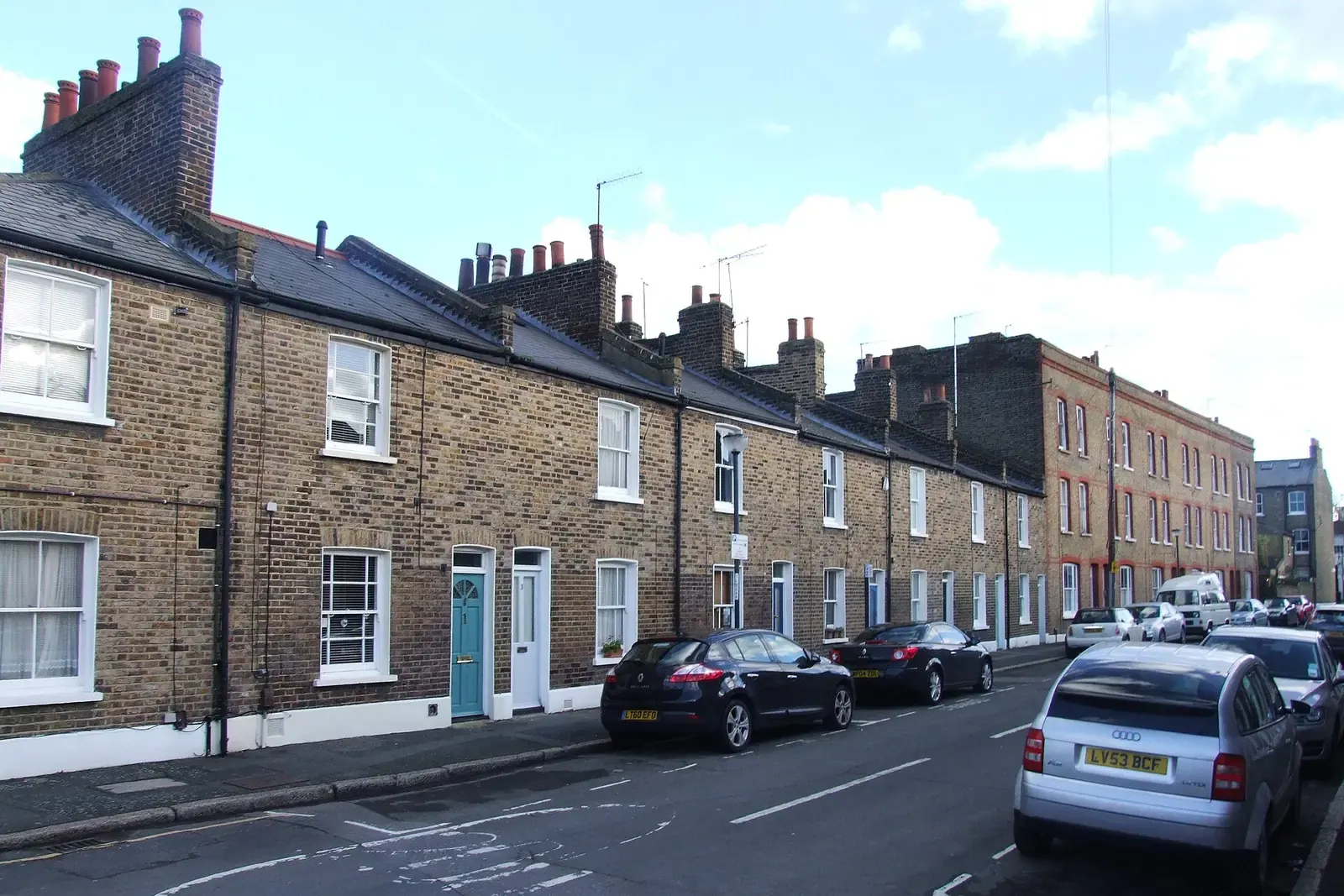
Flood risk assessments for Royal Greenwich planning applications, domestic extensions included
Royal Greenwich's Local Validation Requirements List (June 2025) asks for a flood risk assessment on all developments in Flood Zones 2 and 3, "including domestic extensions", with details of the finished floor levels. We write it for a fixed £395, using the Environment Agency's standing advice where it covers a minor extension.
Fixed fee from £395 · all prices
Prefer to talk it through?
What Greenwich's June 2025 list says
The council's Local Validation Requirements List (June 2025) says a flood risk assessment is needed for developments on sites of 1 hectare or greater in Flood Zone 1 and for developments in Flood Zones 2 and 3, "including domestic extensions and change of use to residential". It adds a second trigger that surprises owners: a flood risk assessment is also needed where surface water flooding is shown as 0.3m or deeper, within 100m of a sewer flooding incident or within 250m of a groundwater flooding incident.
So a house in Flood Zone 1 on a low street can still be caught. We check the surface water depth, the sewer incident and the groundwater incident before telling you whether you need to pay for anything.
Flood Risk Assessments in Greenwich
from £395
Every price is the full fixed fee you pay. No VAT is charged. Council application fees are paid to the council separately.
What you get
- Your address checked on the Environment Agency flood map
- Surface water, sewer and groundwater triggers checked for the site
- An estimated flood level with climate change, as the list asks
- Finished floor levels and flood resilience shown against your drawings
- A basement check against the council's SFRA developer guide
- The assessment as a PDF for the planning application
- All sources of flooding
River, tidal, surface water, sewer and groundwater, with a climate change allowance.
- Estimated flood level
River 1 in 100 and tidal 1 in 200 chance a year, each plus climate change.
- Finished floor levels
Where the ground floor sits against that estimated flood level.
- Resistance and resilience
Construction below the flood level and an emergency plan for occupants.
- Plans and drawings
Supporting drawings that the council can read beside the assessment.
Estimated flood level and finished floor levels
Royal Greenwich's list is specific about what the assessment must show: the estimated flood level for the development, taking climate change into account, the details of the finished floor levels, and details of flood resistance, resilience and emergency plans. It defines the estimated flood level as the depth expected in a river flood with a 1 in 100 annual probability, or a tidal flood with a 1 in 200 annual probability, each plus an allowance for climate change.
That makes floor levels a drawing issue as much as a report issue. We set them on your plans and sections so the council reads one consistent set. Where flood defences exist, the list also says the level should account for the residual risk if they were breached or overtopped.
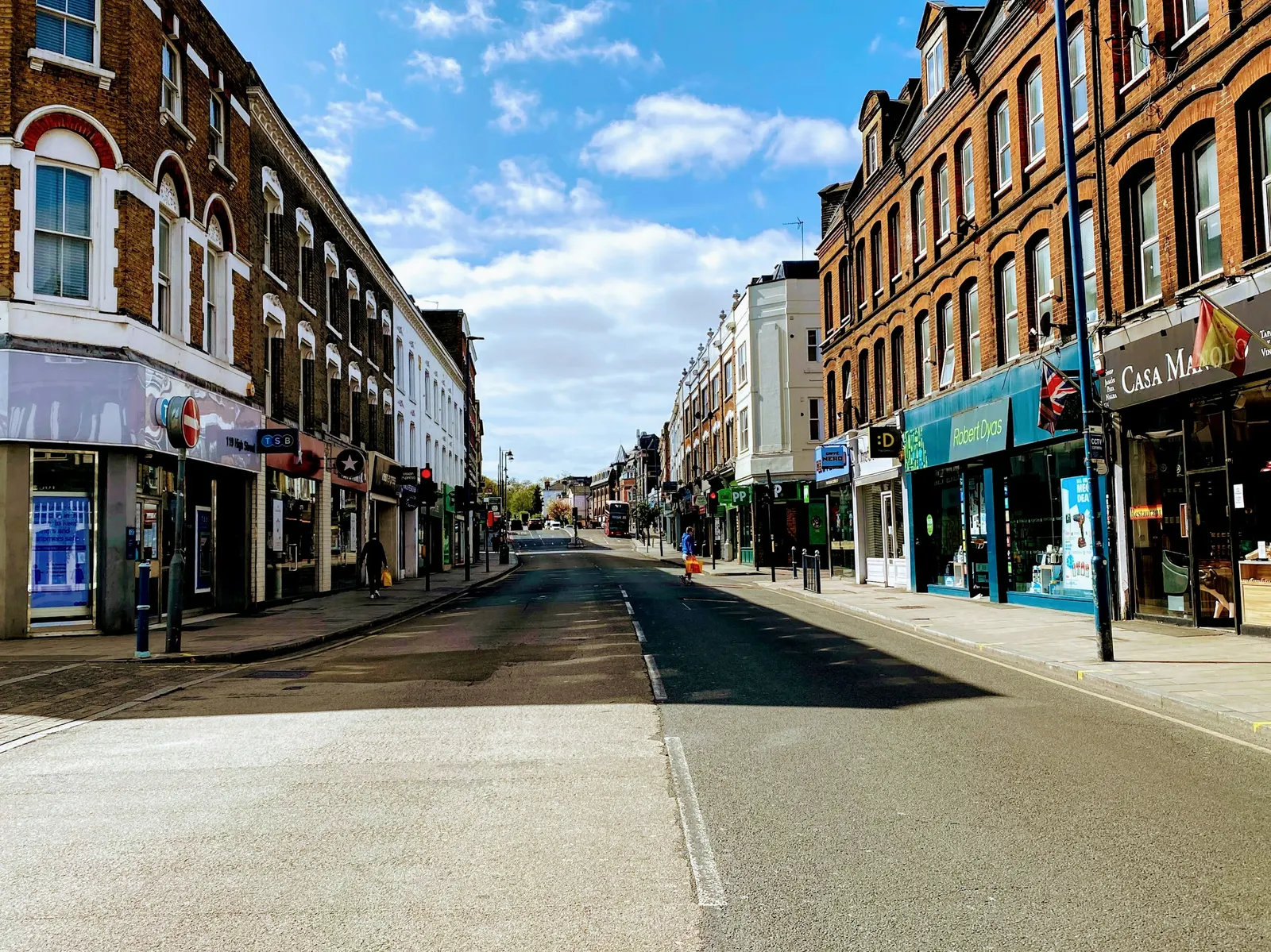
The same developer guide says basement dwellings are classed as highly vulnerable, are not permitted in Flood Zone 3a or 3b, and in Flood Zone 2 must pass the Sequential and Exception Tests.
Standing advice and the 250 square metre line
The list tells applicants to follow the Environment Agency's Standing Advice for a minor extension, meaning a household extension or a non-domestic extension less than 250 square metres, in Flood Zone 2 or 3. It also says surface water flood extent from the Environment Agency's modelling and Royal Greenwich's strategic flood risk assessment is to be treated the same as in Flood Zone 3.
That is the honest limit of what we sell. For a simple rear extension the standing advice may be all the council wants, and the Environment Agency's guidance says you may be able to do a simple, low risk assessment yourself. We say so before you pay. If the scheme is bigger, has a basement or changes use, we write the full assessment.
Behind the Thames defences: where a breach would reach
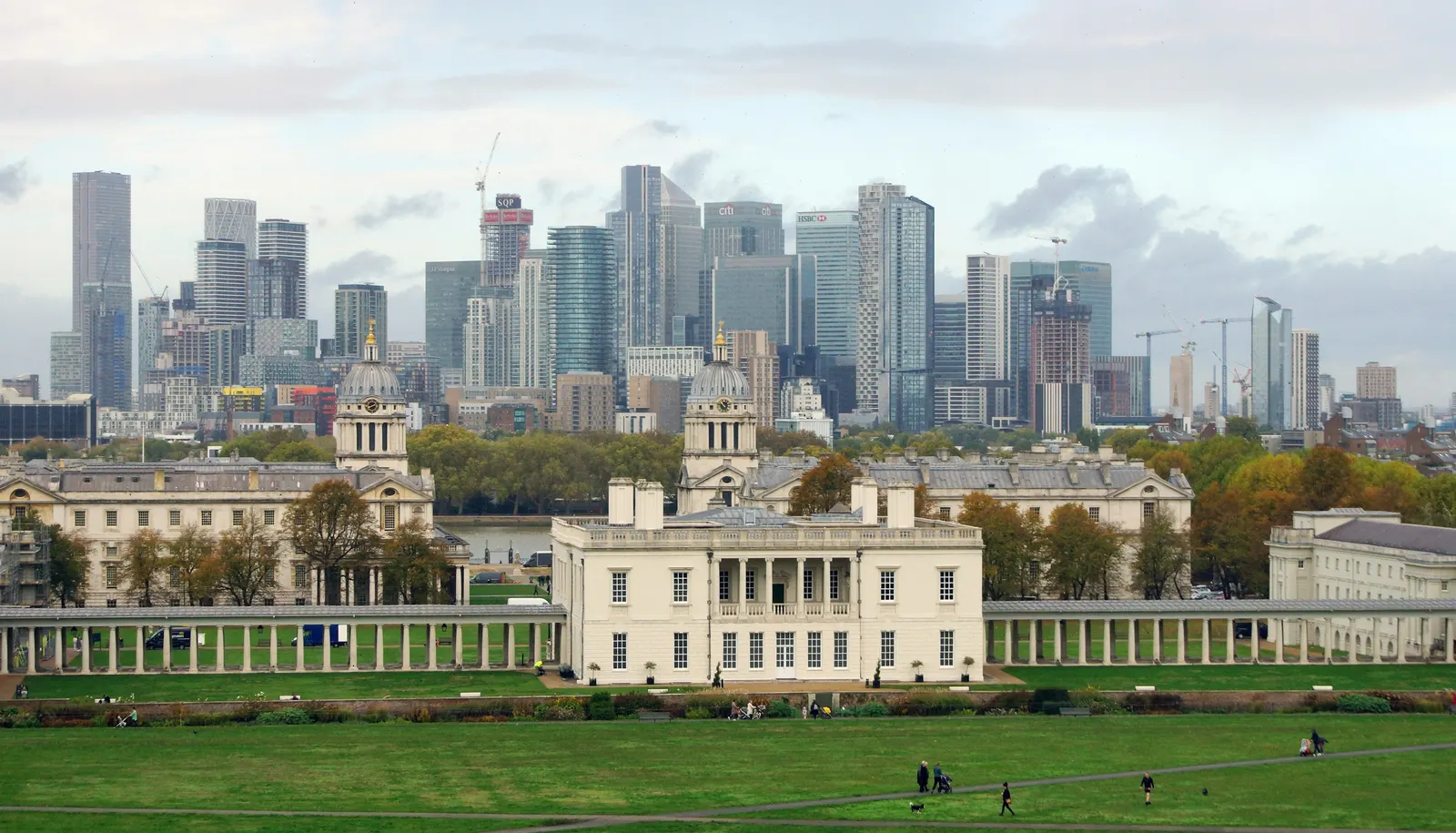
The council's SFRA developer guide for flood risk assessments (AECOM, August 2017) says much of Royal Greenwich along the Thames lies in Flood Zones 2 and 3 but is defended by the Thames Barrier and raised defences. It says a breach in those defences with an extreme tide, though very low probability, would flood parts of Thamesmead, Charlton Riverside and the Greenwich Peninsula, with the eastern areas at greatest risk.
If your address is in one of those areas, the assessment sets out that residual risk and what it means for your floor level and escape route. We do not describe a defended site as safe without that test.

Basements in Greenwich
The same developer guide says basement dwellings are classed as highly vulnerable, are not permitted in Flood Zone 3a or 3b, and in Flood Zone 2 must pass the Sequential and Exception Tests. Where a basement dwelling is built, access must be 300mm above the design flood level and sewer surcharge protection is required.
That guide dates from 2017 and refers to the 2014 Core Strategy, so we check the council's current policy before relying on it. If you are weighing a lower ground floor, our basement conversion drawings are prepared with the flood assessment in mind, and we tell you early when the zone rules out the idea.
Fee and next step
The fixed fee is £395, the total you pay, and no VAT is charged. It covers the flood map and trigger check, the written assessment and a drainage note for a house, extension or small conversion, with the assessment and a SuDS drainage statement together at £625. For a major scheme a specialist is brought in and quoted separately. Send the address and what you want to build.
Sources
Every figure on this page, where it comes from and a link to the original.
| Figure | Source | Link |
|---|---|---|
| including domestic extensions | Royal Greenwich Local Validation Requirements List (June 2025), Flood Risk Assessment, when required (source wording: "all developments located in Flood Zones 2 and 3, including domestic extensions and change of use to residential") | www.royalgreenwich.gov.uk |
| 0.3m or deeper | Royal Greenwich Local Validation Requirements List (June 2025), Flood Risk Assessment, when required (source wording: "all developments where surface water flooding is shown as 0.3m or deeper, within 100m of a sewer flooding incident or within 250m of a groundwater flooding incident") | www.royalgreenwich.gov.uk |
| 1 in 200 | Royal Greenwich Local Validation Requirements List (June 2025): the estimated flood level is the depth anticipated in (source wording: "a river flood with a 1 in 100 annual probability plus an allowance for climate change" and "a tidal flood with a 1 in 200 annual probability plus an allowance for climate change") | www.royalgreenwich.gov.uk |
| finished floor levels | Royal Greenwich Local Validation Requirements List (June 2025), what to include in your assessment (source wording: "details of the finished floor levels") | www.royalgreenwich.gov.uk |
| less than 250 square metres | Royal Greenwich Local Validation Requirements List (June 2025): follow the Environment Agency's Standing Advice for (source wording: "a minor extension (household extensions or non-domestic extensions less than 250 square metres) in flood zone 2 or 3") | www.royalgreenwich.gov.uk |
| treated the same as in Flood Zone 3 | Royal Greenwich Local Validation Requirements List (June 2025) (source wording: "Surface water flood extent from the Environment Agency's modelling and Royal Greenwich's SFRA to be treated the same as in Flood Zone 3.") | www.royalgreenwich.gov.uk |
| Thamesmead, Charlton Riverside and the Greenwich Peninsula | Royal Greenwich SFRA Level 1 Appendix B, Developer Guide for Flood Risk Assessments (AECOM, August 2017), breach of existing flood defences (source wording: "causing flooding of parts of Thamesmead, Charlton Riverside, and the Greenwich Peninsula") | www.royalgreenwich.gov.uk |
| Flood Zone 3a or 3b | Royal Greenwich SFRA Level 1 Appendix B, Developer Guide (AECOM, August 2017), basement dwellings (source wording: "Basement dwellings are not permitted within Flood Zone 3a and Flood Zone 3b;") | www.royalgreenwich.gov.uk |
| 300mm | Royal Greenwich SFRA Level 1 Appendix B, Developer Guide (AECOM, August 2017), basement dwellings (source wording: "access must be situated 300mm above the design flood level") | www.royalgreenwich.gov.uk |
The full guide lives on our sister site
We still prepare this for a fixed £395. The detailed guide to it is on fixedfeeplans.co.uk, part of the same practice.
Questions people ask
Does a house extension in Greenwich need a flood risk assessment?
I am in Flood Zone 1. Could I still need one?
What flood level will the assessment use?
Can I live in a basement flat in Flood Zone 3?
Will the assessment secure permission?
Photographs: Chris Whippet (CC BY-SA 2.0).
