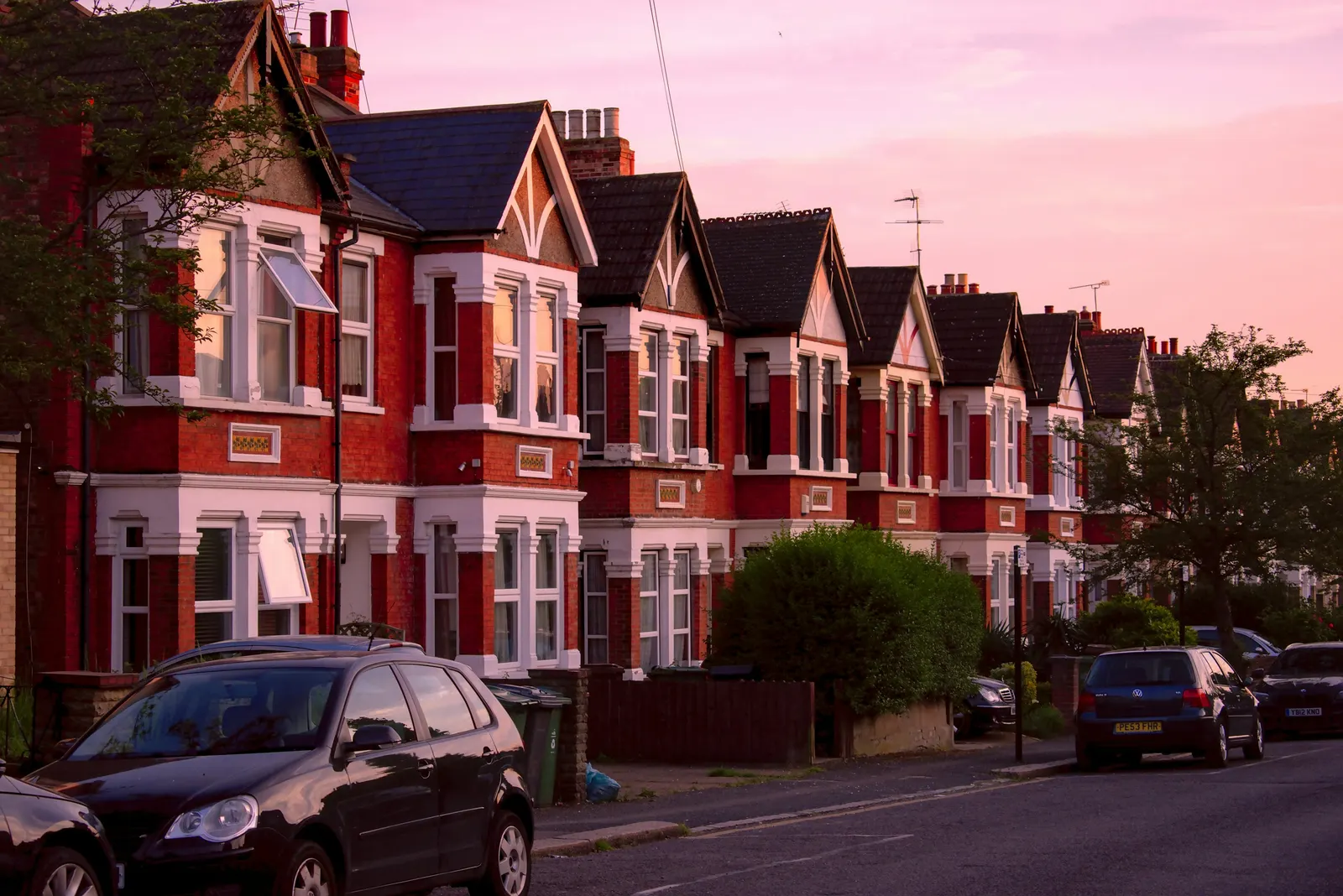
Transport statements for small London planning applications
A transport statement is the lighter version of a transport assessment: a short document showing the council how people will reach your scheme, where cars will park and why the extra trips are limited. For a scheme of one to four homes we write it for a fixed £425, shaped by London Plan policy on parking.
Fixed fee from £425 · all prices
Prefer to talk it through?
Do you need one at all?
National guidance on transport assessments and statements says a Transport Statement is a 'lighter-touch' evaluation, to be used where this is more proportionate to the potential impact of the development. It also says that where transport impacts are not significant, it may be that no Transport Assessment or Statement is required.
The same guidance tells councils to judge this on a case by case basis, and says smaller applications with limited impacts may not need one. So a one-house scheme may need nothing. We read your council's validation list first, and say so if the answer is no.
Transport Statements
from £425
Every price is the full fixed fee you pay. No VAT is charged. Council application fees are paid to the council separately.
What you get
- A written transport statement for the planning application
- How the site is reached on foot, by bike, bus, rail and car
- The parking proposed, tested against London Plan policy T6
- Electric vehicle charging and cycle storage described for your plans
- Servicing, refuse and delivery access set out for your street
- A plain note on whether a parking stress survey is also needed
- Confirm what is asked
We read the council's validation list and pre-application advice to see what transport document is required.
- Describe the site
Public transport, walking and cycling routes and the road the site sits on.
- Set out parking
Spaces proposed or car-free, with disabled and electric charging provision, tested against policy T6.
- Cover access and servicing
Entrance, refuse, deliveries and emergency access from the highway.
- Write and issue
A short PDF tied to your drawings, ready for the application.
Where London Plan policy comes in
Policy T4 of the London Plan 2021 says transport assessments and statements should be submitted when required in accordance with national or local guidance. It is the hook that lets a London borough ask for one.
For a small residential scheme the live question is nearly always parking. Policy T6 says car-free development should be the starting point in places well connected by public transport, with other places designed to provide the minimum necessary parking. Policy T6.1 then says new residential development should not exceed the maximum standards in Table 10.3.
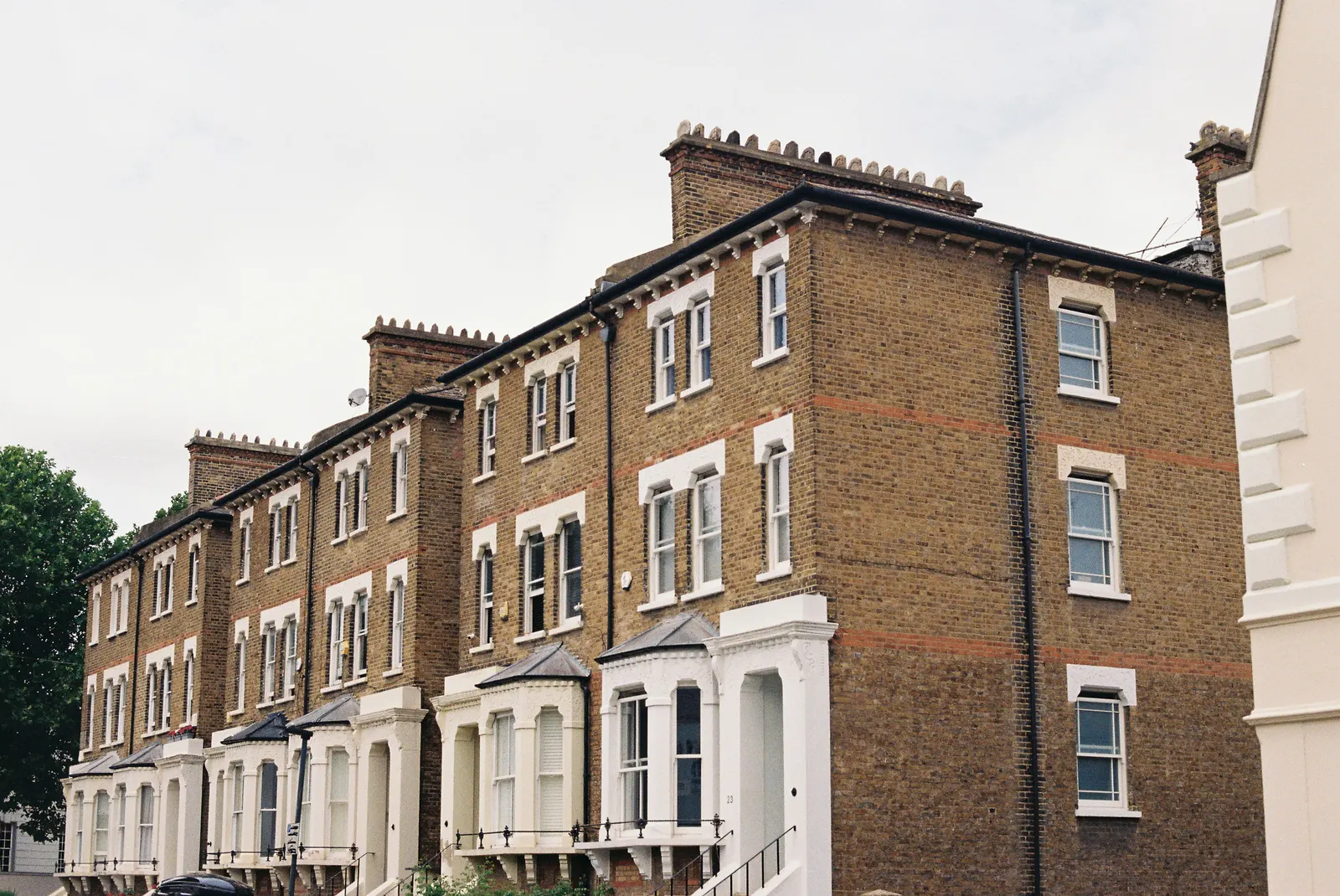

In planning law, major development for housing starts at 10 or more dwellings under article 2 of the Development Management Procedure Order.
What the statement contains
National guidance lists what a transport document can cover, and includes a description of parking facilities in the area and the parking strategy of the development. Ours sets out the site's connections, the proposed access, the parking you propose or why none is proposed, cycle storage, refuse collection and delivery arrangements.
Where you provide car parking, T6.1 says at least 20 per cent of spaces should have active charging facilities, with passive provision for the rest. We show this on the plan and describe it in the statement, so the officer can see the policy met.
One to four homes: why the scale matters
In planning law, major development for housing starts at 10 or more dwellings under article 2 of the Development Management Procedure Order. A scheme of one to four homes is a long way below that, and a proportionate statement is the right size of document for it.
If your scheme is closer to 10 homes, or the council wants a full transport assessment with traffic counts, that is a bigger job. We tell you at the start and quote it separately rather than stretch a short statement to cover it.

Parking stress surveys are separate
Some boroughs also ask for a parking stress survey, which counts parked cars on nearby streets overnight to show whether there is room for more. It needs someone on site at the right hours and is quoted separately, once we know your council wants one.
We say in the statement whether the council has asked for a survey, based on its validation list, and what the statement can and cannot show without one.
Fee, and what you send
The fixed fee is £425, the total you pay, with no VAT charged and no survey visit. Send the address, your drawings and the council's request if it has written one.
The statement answers the transport questions the council puts. It cannot promise a result, and the decision stays with the council. If a car-free scheme is a stretch for the street, we tell you before you pay.
Sources
Every figure on this page, where it comes from and a link to the original.
| Figure | Source | Link |
|---|---|---|
| lighter-touch | MHCLG Planning Practice Guidance, Travel plans, transport assessments and statements: (source wording: "Transport Statements are a ‘lighter-touch’ evaluation to be used where this would be more proportionate to the potential impact of the development") | www.gov.uk |
| case by case basis | MHCLG Planning Practice Guidance, Travel plans, transport assessments and statements: (source wording: "Local planning authorities must make a judgement as to whether a development proposal would generate significant amounts of movement on a case by case basis") | www.gov.uk |
| limited impacts | MHCLG Planning Practice Guidance, Travel plans, transport assessments and statements: (source wording: "smaller applications with limited impacts may not need a Transport Assessment or Statement") | www.gov.uk |
| parking strategy of the development | MHCLG Planning Practice Guidance, Travel plans, transport assessments and statements: contents (source wording: "a description of parking facilities in the area and the parking strategy of the development") | www.gov.uk |
| national or local guidance | London Plan 2021 Policy T4 B (p413): (source wording: "When required in accordance with national or local guidance, transport assessments/statements should be submitted with development proposals") | www.london.gov.uk |
| car-free development should be the starting point | London Plan 2021 Policy T6 B (p422): (source wording: "Car-free development should be the starting point for all development proposals in places that are (or are planned to be) well-connected by public transport") | www.london.gov.uk |
| Table 10.3 | London Plan 2021 Policy T6.1 A (p425): (source wording: "New residential development should not exceed the maximum parking standards set out in Table 10.3") | www.london.gov.uk |
| 20 per cent | London Plan 2021 Policy T6.1 C (p425): (source wording: "At least 20 per cent of spaces should have active charging facilities, with passive provision for all remaining spaces") | www.london.gov.uk |
| 10 or more | DMPO 2015 art 2(1) "major development": (source wording: "the provision of dwellinghouses where ... the number of dwellinghouses to be provided is 10 or more") | www.legislation.gov.uk |
The full guide lives on our sister site
We still prepare this for a fixed £425. The detailed guide to it is on propertyarchitecture.co.uk, part of the same practice.