Lawful Development Certificate Drawings in Feltham TW13
Fixed-fee, MCIAT-chartered lawful development certificate drawings for Feltham (TW13) homeowners — London Borough of Hounslow validation and local constraints handled from the start.
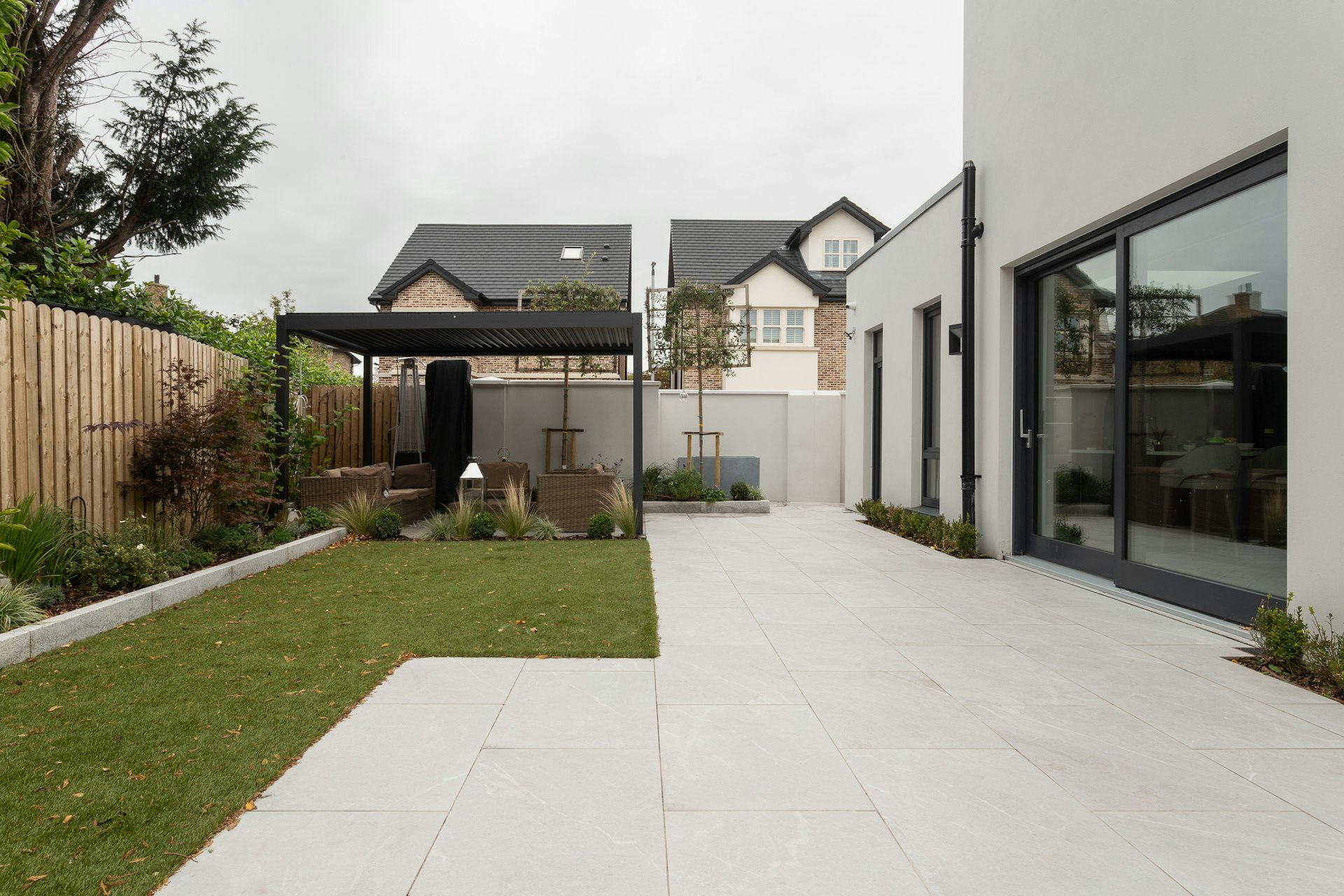
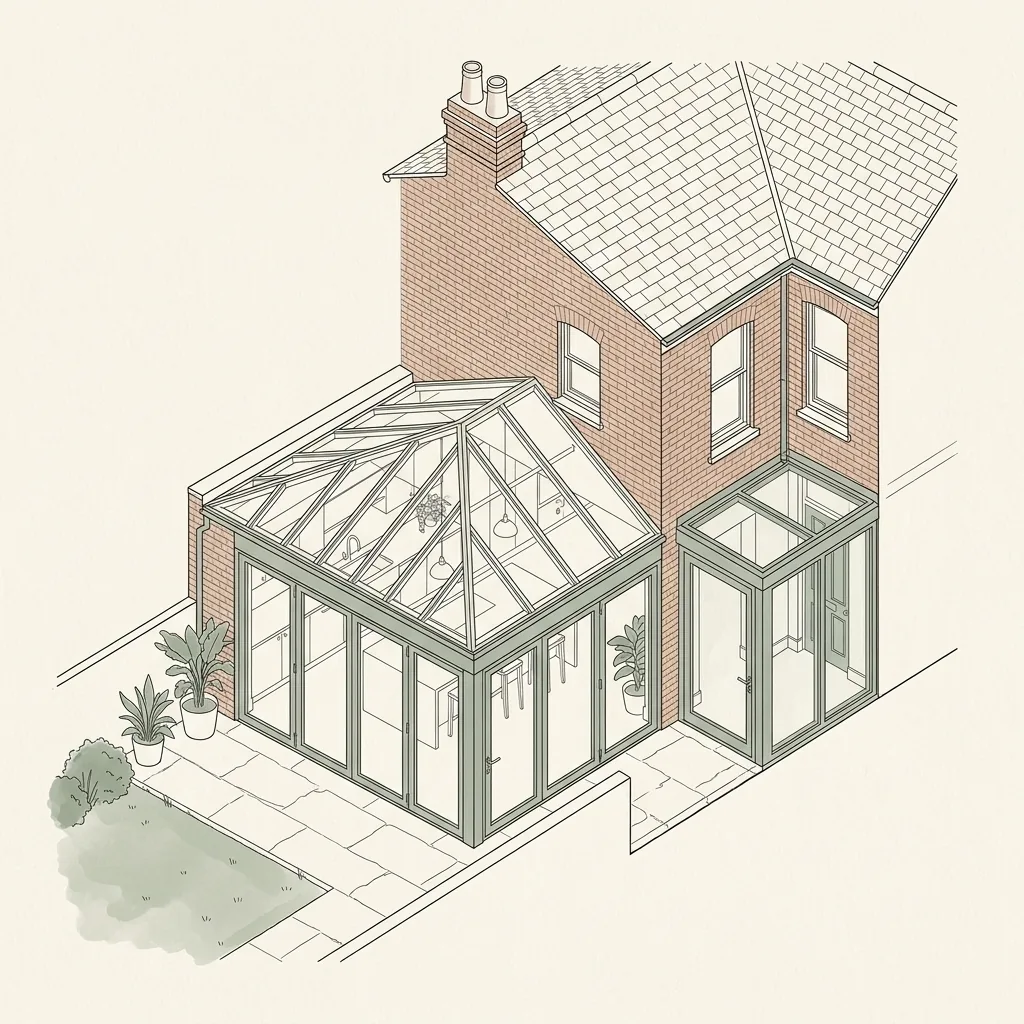
Feltham is an outer-west Hounslow suburb built largely between the wars and in the post-war decades, so the bulk of our work here is family-driven: single-storey rear extensions, side-return infills and loft conversions on 1930s semis and estate housing. Wide plots on roads such as Southern Avenue and Ashmead Road usually leave comfortable room to extend under permitted development while keeping the front elevation intact.
Where a plot sits near the St Dunstan's or Hanworth Park conservation areas, or on the lower ground close to the River Crane, we design to Hounslow Council's expectations from the outset — matching brick and roof lines, respecting the depth and height limits, and building in flood-resilient drainage detail so the application clears validation without an avoidable refusal.
Planning in Feltham (TW13): what to know before you apply
There is no published householder Article 4 direction in Feltham, so most rear and loft projects proceed under permitted development. Watch the St Dunstan's, Hanworth Park and Feltham Town Centre conservation areas, and the flood constraint on plots near the River Crane, where PD rights and extension depths are more tightly read.
Typical Feltham housing stock
Feltham is dominated by 1930s bay-fronted semis and post-war council-built estates, with generous rear gardens on roads like Southern Avenue and Glebelands Road. Plots are wide enough for single-storey rear extensions, side infills and hip-to-gable loft conversions without needing to touch the front elevation.
Streets we regularly draw for in Feltham
Southern Avenue · Glebelands Road · Ashmead Road · Browells Lane
Lawful Development Certificate Drawings for Feltham (TW13) homes: the package and the process
Every lawful development certificate drawings we prepare for an Feltham property is drawn to London Borough of Hounslow’s validation standards and tuned to the TW13 constraints above. Here is what the drawing package covers and how the process runs from first survey to approval.
A Lawful Development Certificate (LDC) is a legal document from your local planning authority confirming that building work, or a use of land, is lawful and does not need planning permission. It is not planning permission itself — it is proof that permission was never required, which matters when a mortgage lender, a solicitor or a future buyer asks for evidence that an extension, loft conversion or outbuilding was built within your permitted development rights. DrawingsDirect prepares the drawings and supporting evidence a London borough needs to issue a certificate, checking first whether your project genuinely qualifies.
There are two certificate routes — one for work you are about to carry out (a proposed LDC) and one for work or a use that already exists (an existing or established-use LDC). Both are assessed against the same permitted development rules that apply to a full planning application, but the process is narrower, usually faster and typically cheaper, because the council is confirming a legal fact rather than exercising planning judgement. We assess your property, extension or use before recommending this route, so you are never sold a certificate application that will not succeed.
What is a Lawful Development Certificate?
A Lawful Development Certificate is issued under the Town and Country Planning Act and confirms, in writing, that a building project or a use of land is lawful and would not have required planning permission — or, for existing situations, that enough time has passed that the council can no longer take enforcement action. It carries the same legal weight as a planning permission for the purposes of proving lawfulness, and is the document solicitors and lenders look for when unauthorised-looking work shows up in a survey or a title check.
Proposed development vs an existing use — the two certificate types
Which certificate you need depends on whether the work is planned or already done.
Certificate of Lawfulness for Proposed Use or Development (LDCP)
Confirms, before you build, that a specific extension, loft conversion, outbuilding or use falls within your permitted development rights, so no planning application is needed. Useful where you want written certainty before committing to a project — for example ahead of a sale, or where a neighbour has raised a query.
Certificate of Lawfulness for Existing Use or Development (LDCE)
Confirms that work already carried out, or a use already established, is lawful — either because it fell within permitted development at the time, or because it has continued unchallenged for the statutory period (generally four years for a building operation or an unauthorised use as a single dwellinghouse, and ten years for most other unauthorised uses). This is the route most often needed at the point of sale, when a survey flags work with no paper trail.
| Factor | Lawful Development Certificate | Full Planning Permission |
|---|---|---|
| What it confirms | That work is lawful and needs no permission | Permission to build, subject to conditions |
| Typical drawing package | From £950 | £1,600–£2,400 |
| Assessment basis | Fact — does it meet permitted development rules | Judgement — design, amenity, neighbour impact |
| Best for | Extensions, lofts and uses within PD rights | Work exceeding PD limits or needing design sign-off |
| Statutory determination period | 8 weeks (typical) | 8 weeks for householder applications |
Lawful Development Certificate Drawings in Feltham TW13 — FAQs
How much does a Lawful Development Certificate cost?+
How long does an LDC application take to be decided?+
What happens if the council refuses my LDC application?+
Do I need an architect for a Lawful Development Certificate?+
Is an LDC the same as building regulations approval?+
Do I need planning permission for an extension in Hounslow?+
What extra control applies in Bedford Park?+
Does Heathrow or the river affect my Hounslow project?+
How long does Hounslow Council take to decide?+
How much do planning drawings cost in Hounslow?+
Get your free Feltham planning assessment
Tell us your Feltham (TW13) address and ambition — we'll confirm feasibility, local constraints and a fixed fee within one working day.