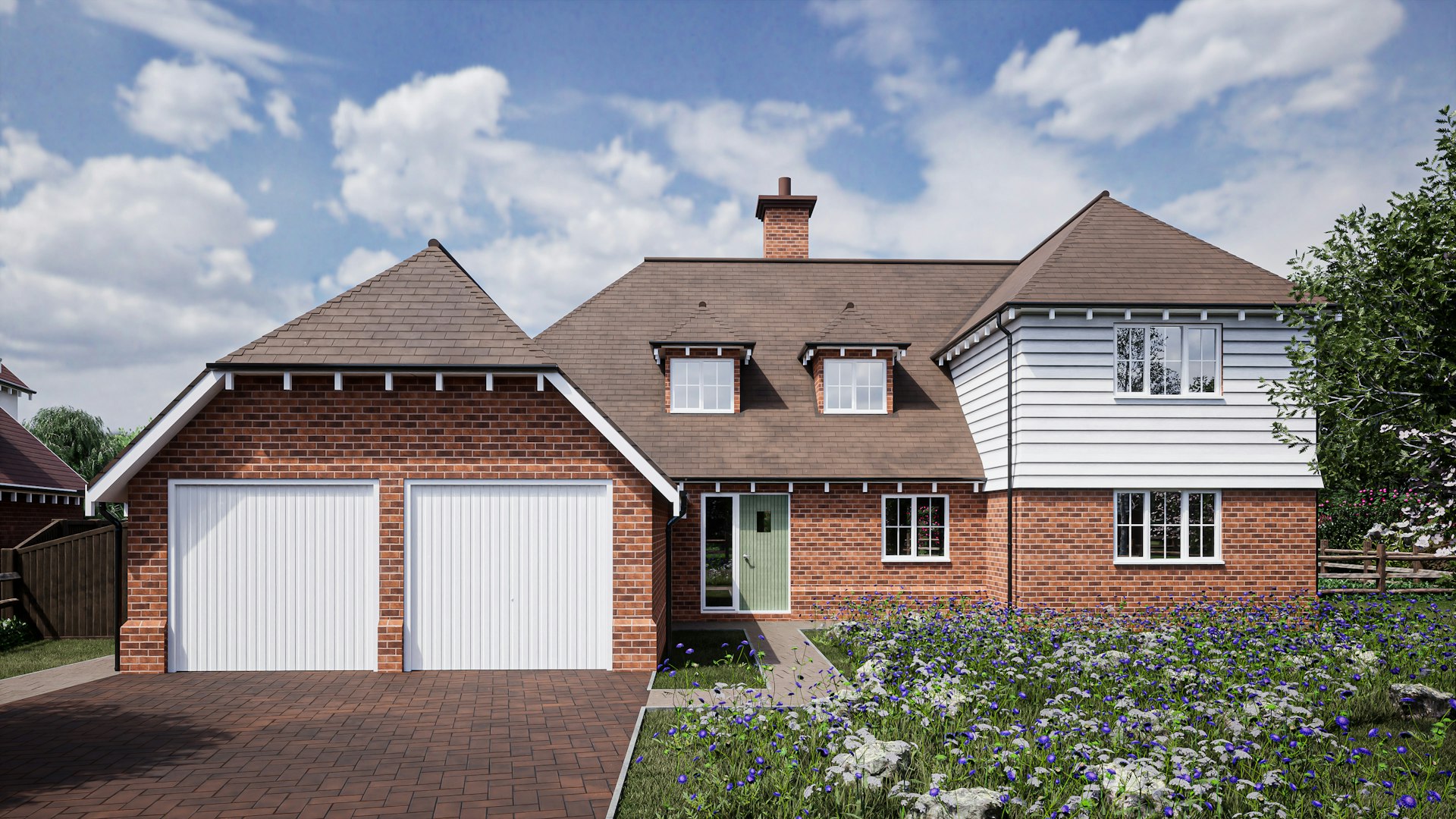
Change of Use Drawings in Wembley HA9
Fixed-fee, MCIAT-chartered change of use drawings for Wembley (HA9) homeowners — London Borough of Brent validation and local constraints handled from the start.
Wembley (HA9) is largely an interwar suburb of semi-detached and terraced houses on the avenues around the stadium, where rear and side extensions and hip-to-gable loft conversions are the everyday projects. The regular plot pattern means Brent's design expectations for family extensions are well established, and meeting them first time is straightforward with drawings prepared to the borough's householder guidance.
Closer to Wembley Park the picture shifts toward denser flats and active regeneration, and the Wembley High Street conservation area adds tighter control over the historic town-centre frontages. We establish which context a Wembley property sits in — suburban avenue or higher-density regeneration edge — before recommending a route and preparing the application to Brent's validation standards.
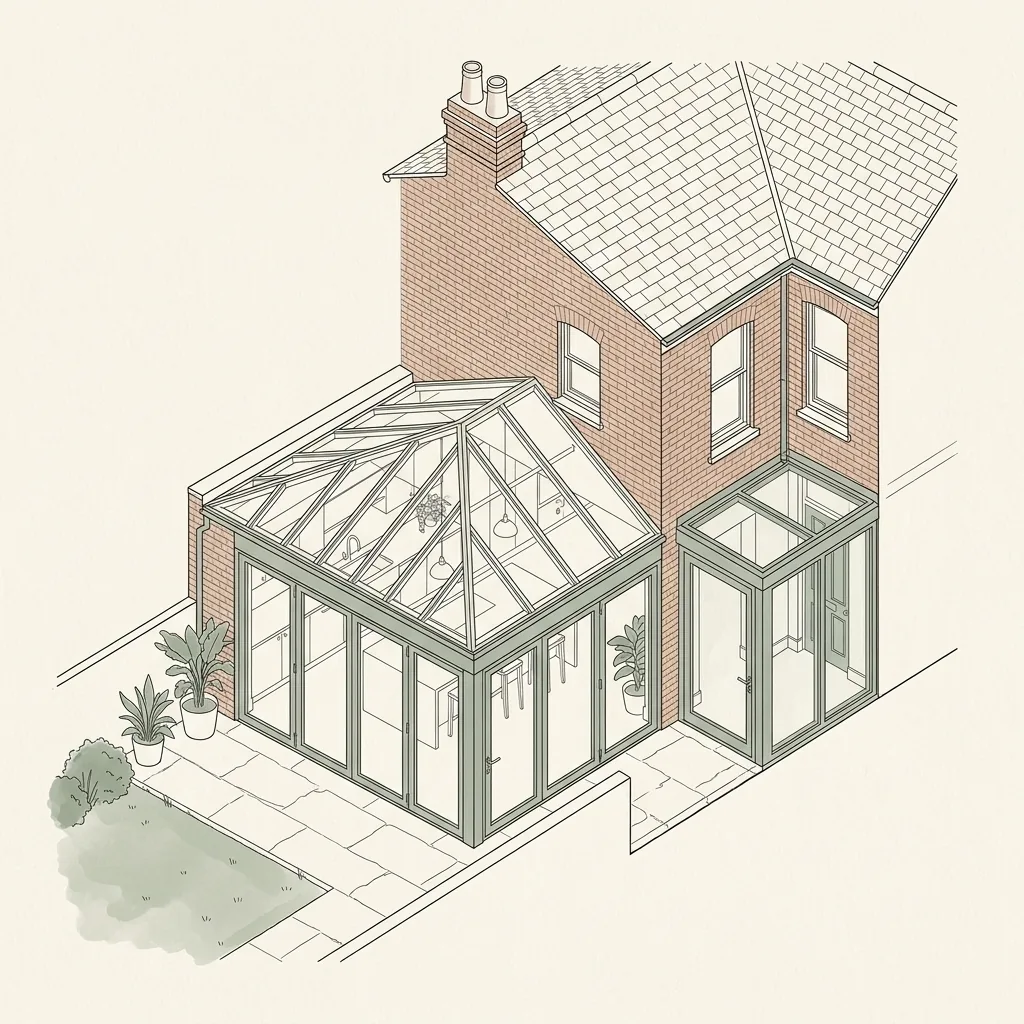
Planning in Wembley (HA9): what to know before you apply
HA9 carries no published householder Article 4 direction affecting typical extensions, so many Wembley semis retain permitted development rights for rear and loft work — but the Wembley High Street conservation area is the exception, and denser sites near the stadium attract closer amenity scrutiny.
Typical Wembley housing stock
Interwar semi-detached and terraced houses on the residential avenues north and east of the stadium, mixed with a growing amount of denser flatted development around Wembley Park and the regeneration zone.
Streets we regularly draw for in Wembley
Bovingdon Avenue · Flamsted Avenue · Tring Avenue · Berkhamsted Avenue
Change of Use Drawings for Wembley (HA9) homes: the package and the process
Every change of use drawings we prepare for an Wembley property is drawn to London Borough of Brent’s validation standards and tuned to the HA9 constraints above. Here is what the drawing package covers and how the process runs from first survey to approval.
A change of use — converting a house into flats, a shop into a flat, or adding a lodger room that tips a home into a small HMO — is governed by the Use Classes Order, which groups land and buildings into classes such as C3 (dwellinghouses), C4 (small shared houses) and E (commercial, business and service uses), plus a handful of uses that sit outside any class, known as sui generis. Whether you need a full planning application, a prior-approval notification, or nothing at all depends on which classes the 'before' and 'after' uses fall into, and whether your permitted development rights have been restricted locally.
DrawingsDirect prepares the drawings and supporting information a London borough needs to assess a change of use — existing and proposed floor plans, a use and amenity statement, and where relevant a parking and refuse strategy — and advises which route applies before you commit to an application. We cover conversions into flats, commercial-to-residential schemes under the prior-approval Class MA route, and other changes of use across all 33 London boroughs.
What counts as a material change of use?
Not every change in how a building is used needs planning permission — only a 'material' change, one significant enough to affect the character of the use of the land. Converting a single dwellinghouse into two or more flats is always material. Adding paying lodgers within a single household usually is not, until the household tips over into a small House in Multiple Occupation. We assess whether your proposed change crosses that threshold before recommending a route.
The Use Classes Order: C3, C4, E and sui generis
The Use Classes Order groups uses so planners, and permitted development rules, can treat similar activities consistently.
C3 — Dwellinghouses
The class covering a single household living as a single unit, including up to two people living together as a single household who are not related. Most family homes and self-contained flats fall here.
C4 — Houses in multiple occupation (small)
Covers a shared house or flat occupied by three to six unrelated people sharing basic amenities such as a kitchen or bathroom. Moving from C3 to C4 is a change of use, though it is often permitted development unless your borough has removed that right.
Class E — Commercial, business and service
A wide class combining shops, offices, gyms, cafes and other business uses that can change between each other without planning permission, but changing from Class E to residential use is a material change requiring the prior-approval or full planning route.
Sui generis
Uses that do not fit any class, including large HMOs of seven or more unrelated occupants, betting shops and drinking establishments. A change of use to or from a sui generis use normally needs planning permission.
| Route | When it applies | Typical package | Fee from |
|---|---|---|---|
| Prior approval (Class MA) | Class E commercial to residential, meeting the criteria | Prior-approval drawings and statement | £1,200 |
| Full planning permission | Conversion into flats, HMO or use outside prior approval | Planning + building regs | £1,600–£2,400 |
| No application needed | Use falls within an existing permitted class change | Drawings for record purposes only | £450 |
Change of Use Drawings in Wembley HA9 — FAQs
How much do change of use drawings cost in London?+
What is the difference between a material change of use and general permitted development?+
How long does a change of use application take to be decided?+
Do I need an architect for a change of use application?+
Will converting my house into flats need building regulations approval too?+
Do I need planning permission for a side-return extension in Brent?+
What does Brent's borough-wide HMO Article 4 direction affect?+
Is a hip-to-gable loft conversion allowed on my Brent semi?+
How long does Brent Council take to decide?+
How much do planning drawings cost in Brent?+
Get your free Wembley planning assessment
Tell us your Wembley (HA9) address and ambition — we'll confirm feasibility, local constraints and a fixed fee within one working day.